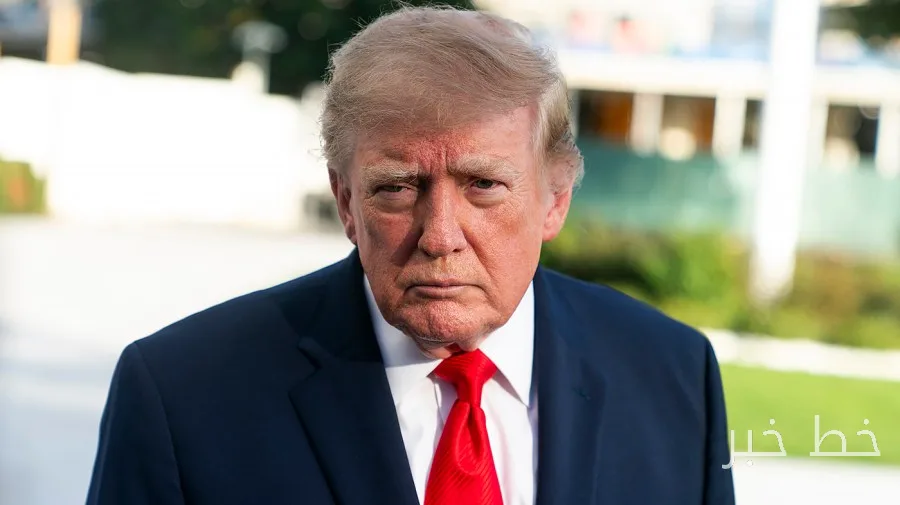
The Trump administration has requested a federal court to review the prior approval for an almost completed offshore wind farm. This request is part of the administration's broader efforts to limit the development of wind energy projects and has raised concerns about its impact on infrastructure agreements.
Details of the Offshore Wind Project
This offshore wind farm, currently in the final stages of construction, is recognized as one of the key projects aimed at increasing renewable energy capacity in the United States. However, the Trump administration has called for a halt or review of this project due to environmental and economic concerns. This issue has become highly controversial, and analysts believe that this action could have serious consequences for the future of wind energy in the country.
Read more: Trump Administration Plans to Reduce Methane Restrictions on Oil and Gas
Legal and Political Implications
The Trump administration's request to block the offshore wind project is directly related to political and legal discussions surrounding renewable energy and climate change. Analysts predict that this action could lead to increased tensions between the government and supporters of renewable energy. Additionally, this issue could impact negotiations related to infrastructure agreements and hinder progress on similar projects.
Given that the wind farm in question is in the final stages of construction, a review of its approval could delay energy supply and increase reliance on fossil fuels. This is occurring at a time when many countries are moving towards greater use of renewable energy sources.
Ultimately, the Trump administration's actions regarding wind energy may lead to broader changes in U.S. energy policies. Especially during a period when global attention to climate change and the need for sustainable energy is increasing, these decisions could have profound and long-lasting effects on the future of energy in the country.
Read more: EPA Employees' Rights are Public Rights of Americans · U.S. Department of Justice Begins Investigation into Donald Trump's Media Ban