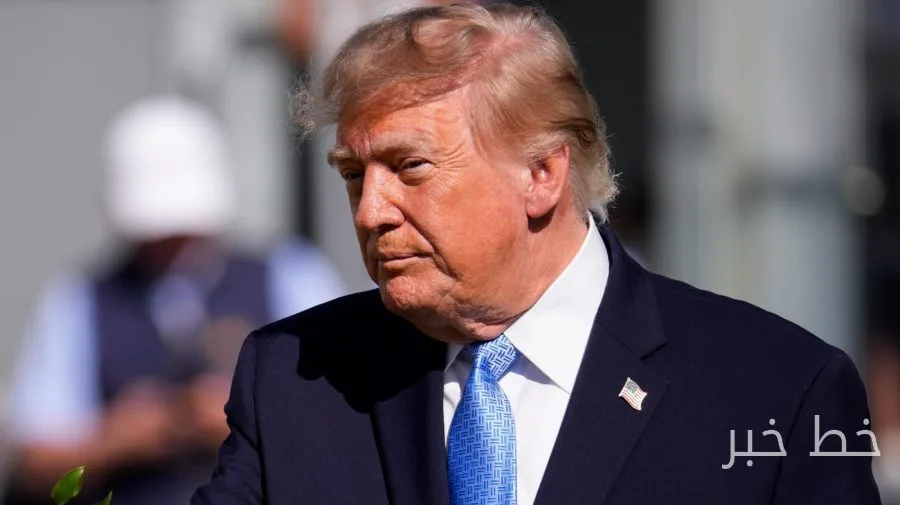
Donald Trump, the President of the United States, is facing a significant drop in his approval rating. According to a recent poll from the Wall Street Journal, Trump's approval rating has reached 37 percent, which is the lowest approval rating for a president shortly before midterm elections.
Impact on Midterm Elections
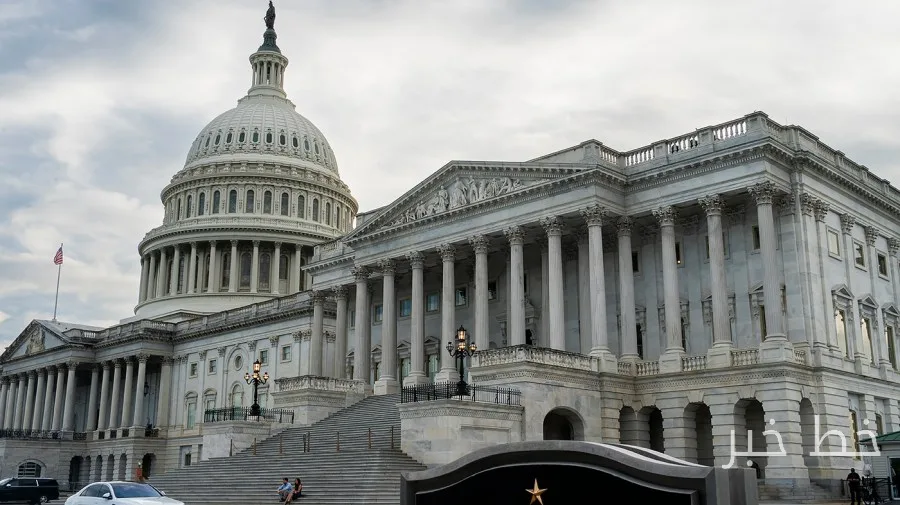
This poll has been released with only a few weeks left until the midterm elections. The decline in Trump's approval rating could have significant impacts on the outcomes of these elections. In the past, lower approval ratings can lead to weaknesses for the ruling parties in elections, and in this case, Republicans may face serious challenges.
Read more: Thousands protest in Madrid against housing crisis
Public Concerns
Many voters are concerned about the economic situation, foreign policies, and social issues. These concerns are clearly reflected in the poll results and indicate that voters may be looking for new options that can meet their needs. Analysts believe that this situation may benefit Democrats, especially if they can focus on key issues.
The decline in Trump's approval rating may also impact financial support for Republican election campaigns. Given that Trump's supporters may become distrustful about his and his party's future, this could lead to decreased financial contributions and public support.
Political Analyses
Political analysts believe that this poll is a sign of public dissatisfaction with Trump's management of key issues. For instance, high inflation rates and health challenges stemming from the COVID-19 pandemic are among the issues that may have influenced public opinion and contributed to the decline in Trump's approval rating.
Overall, the decline in Trump's approval rating in this poll could be a warning sign for his political future and the Republican Party. As the midterm elections approach, this low rating could have serious consequences for congressional control and future policies in the United States.