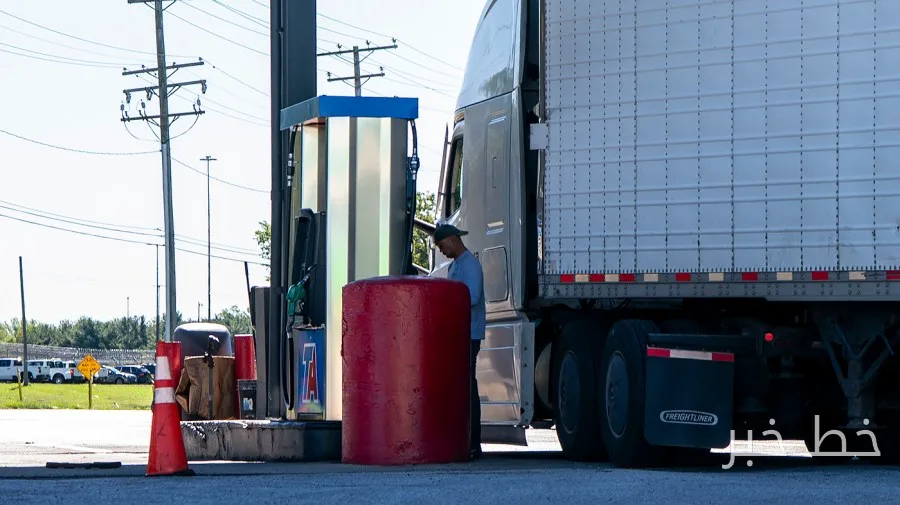
The Trump administration recently signed a controversial agreement with Russia for diesel supply that may not help lower prices in the market. Last week, Trump announced that Russia is set to immediately send 300,000 tons of diesel to the United States and the global market, with an additional 500,000 tons to be sent in November.
Reactions to the Agreement
This move has faced negative reactions from Democrats and some Republicans. Critics are deeply concerned about the easing of sanctions on Moscow and believe that this agreement could strengthen Russia economically and politically. They argue that this action is highly controversial at this time, just before the midterm elections.
Read more: Mariusz Szefczowicz Reaches Trade Agreement with China
Economic Implications
Given the current state of the energy market, many analysts believe that this agreement may not have a significant impact on fuel prices. Global oil and diesel prices are influenced by multiple factors, and simply the arrival of diesel from Russia cannot solely lead to lower prices. Additionally, fluctuations in global demand and supply can also affect prices and complicate the situation.
Moreover, some observers believe that even if diesel from Russia enters the U.S. market, it may be offered at higher prices, which could negatively impact domestic prices. This situation could lead to increased costs for consumers and businesses, thereby exacerbating economic recession.
Political Outlook
While Trump hopes that this agreement will help lower prices and bolster his electoral support, economic and political realities may challenge this plan. Some experts predict that continued sanctions and public dissatisfaction regarding high fuel prices could harm Trump's chances in the midterm elections.
Ultimately, this diesel agreement with Russia, specifically designed to meet an immediate need, may be viewed as a short-term solution, but larger challenges lie ahead that require closer attention and examination.
Read more: EU and China Trade Talks Continue After Recent Agreement · Ashley Hinson Opposes Trump's Agreement on Diesel Imports from Russia