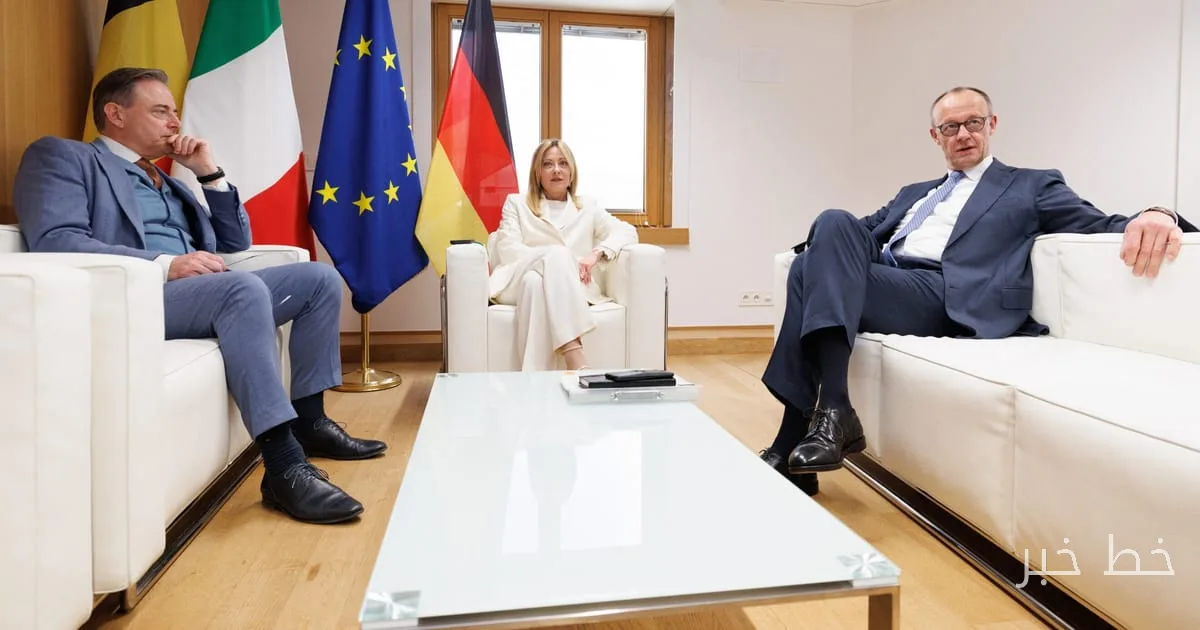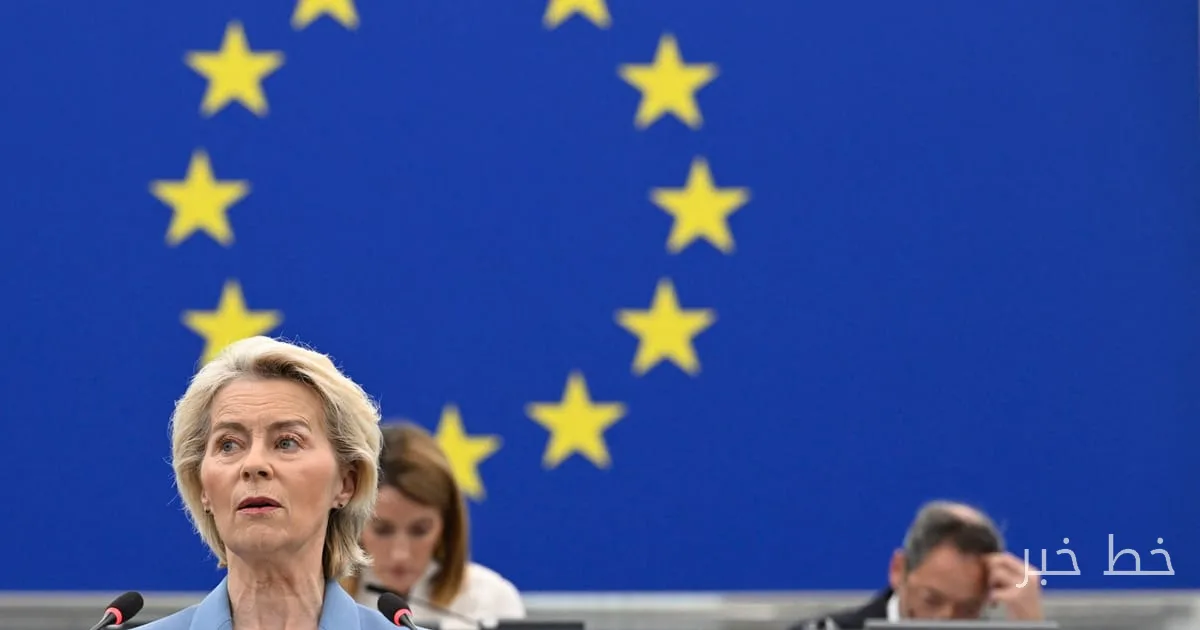
Ursula von der Leyen, President of the European Commission, supported the use of artificial intelligence to simplify administrative procedures for European businesses during a private meeting of the European People's Party in Taormina, Sicily, on October 12, 2023. She stated that this initiative is part of broader efforts to simplify trade and enhance the competitiveness of the European Union.
New Reporting Principles
Von der Leyen announced that the European Commission will introduce a "once-only" approach to business reporting. This approach allows companies to submit their information just once, with artificial intelligence assisting public administrations in effectively utilizing this data.
She stated, "European companies are often required to report the same information to public authorities multiple times, wasting valuable time, and this time wastage is unacceptable for businesses and Europe. That is why we will introduce the 'once-only' system so that data is reported only once, and with the help of artificial intelligence, administrations can effectively use this data."
More Details and Necessary Agreements
This speech marks the first time von der Leyen has specifically discussed using artificial intelligence to reduce the administrative burden on businesses. The principle of "once-only" is not actually new and was previously included in the "EU Inc." proposal presented in March 2026. This proposal aims to create a consistent framework for establishing and operating businesses within the European Union.
Von der Leyen also urged governments to align with simplification efforts and sign an agreement to prevent the addition of new requirements when transposing EU mandatory laws into national regulations. In a letter to EU leaders on October 12, she wrote, "A rule agreed upon at the European level cannot become more complicated when transposed into national laws."
The proposed agreement requires capitals to identify and justify additional national requirements that go beyond EU laws and assess their impact on businesses and the single market.