During an informal meeting in Dublin, European energy ministers introduced subsidy and tax reduction measures as the only practical ways to support consumers against rising energy costs this winter. They also expressed concern over the potential ban on diesel exports by U.S. President Donald Trump.
Energy Challenges in Europe
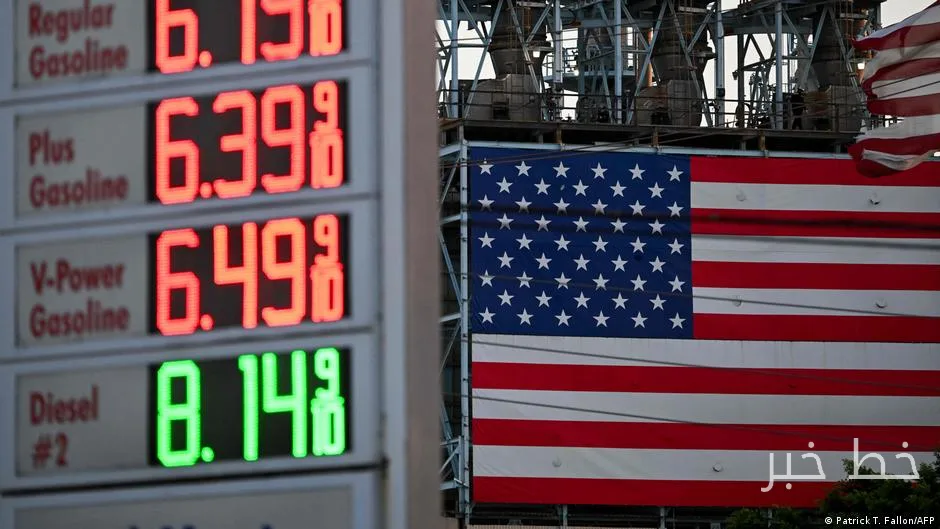
Natural gas prices have reached their highest level in four years as winter approaches, and Europe's gas reserves are unusually low. Additionally, ongoing conflicts in the Middle East have led to the indefinite closure of the Strait of Hormuz. The rising price of diesel has also prompted the U.S. to consider banning exports of this fuel, which could have a significant impact on Europe.
Read more: Beginning of the ban on imports of alcoholic beverages and Canadian dairy products to the U.S.
Long-term and Short-term Solutions
Ministers and officials from the European Union emphasized that harnessing the potential of renewable energy in Europe through deepening electricity networks and markets is the only real way to reduce costs in the long term. However, in the short term, they pointed to the benefits of financial support schemes to increase the use of electricity and renewable energy. Many of these schemes were approved following the initial energy crisis earlier this year.
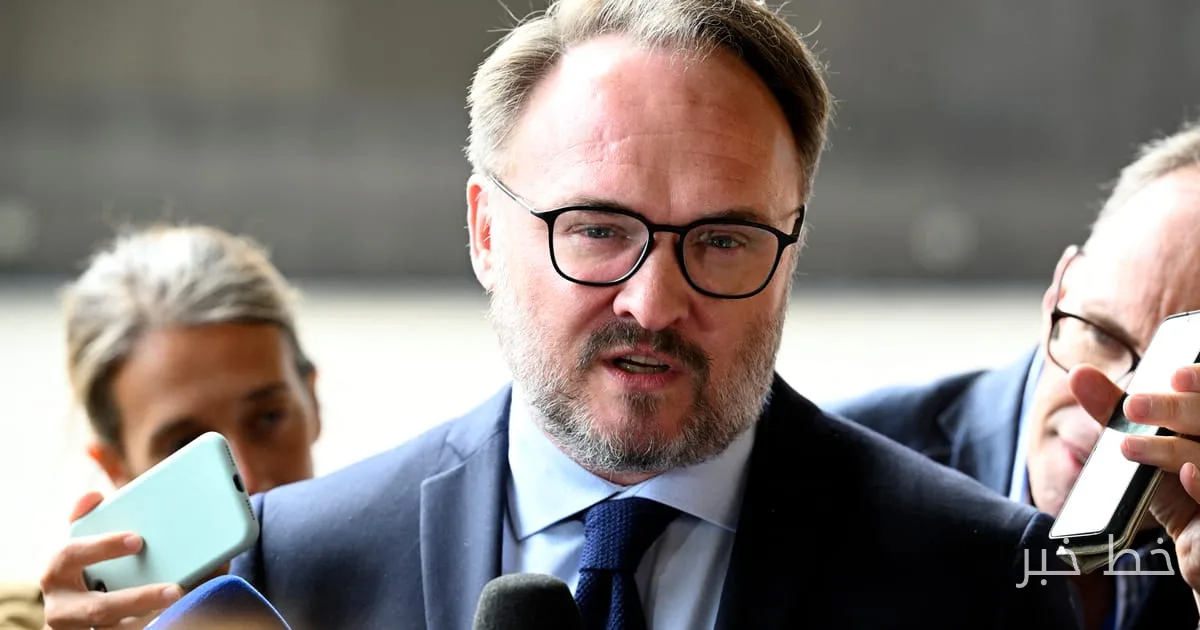
Dan Jørgensen, the EU's energy chief, told reporters, "We are seeing more electric vehicles being sold in Europe, and electric heat pumps are replacing gas and oil boilers. So yes, there are really positive things happening right now."
Irish Energy Minister Dara O'Brien also stressed the need to expand renewable energy as the main way to tackle rising costs, noting that Dublin is working to expedite the approval of new legislation in the EU to strengthen electricity networks.
O'Brien said, "Currently, the EU's ability to cope with rising costs is limited. No government in Europe can protect its citizens from every price increase."
The discussions primarily focused on the responsibility for addressing rising prices. Member states called for taxing energy companies with large profits, while the EU stated that this decision rests with individual countries.
Meanwhile, ministers expressed concern over the potential ban on fuel exports from the U.S. and hope that Washington will reconsider this decision.
Read more: Democratic Women's Congress Announces Economic Priorities · Macron Warns Trump About Diesel Export Ban