The impacts of climate change have clearly manifested this summer. Natural disasters such as floods and wildfires show that these problems are not political and should not be framed as partisan issues. Floods and wildfires do not ask individuals whom they voted for in the recent elections.
Climate Change and Public Health
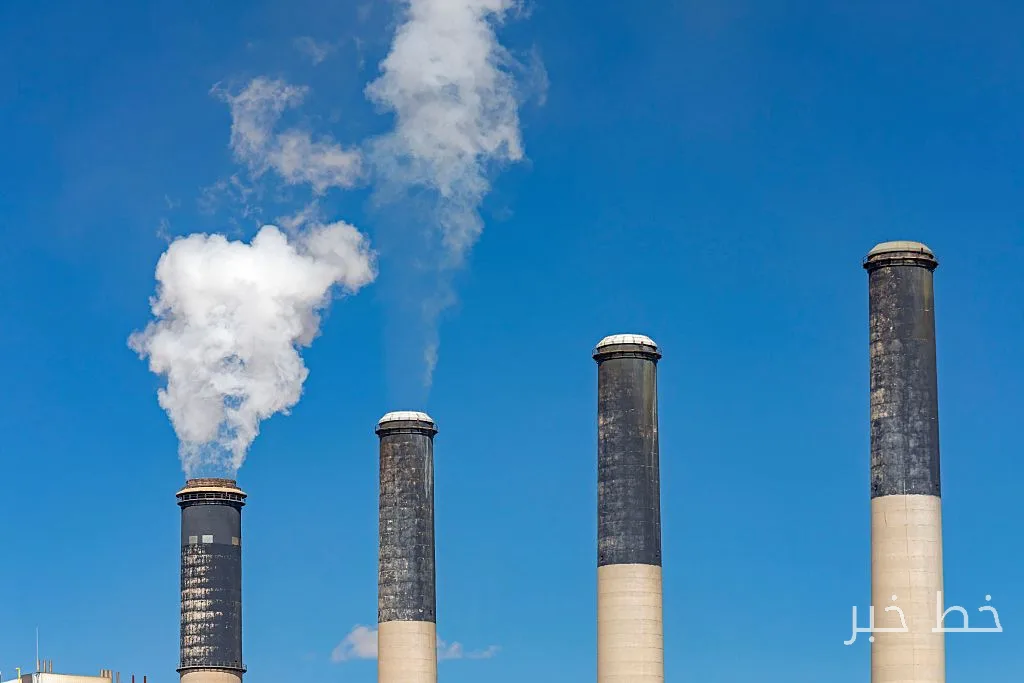
Those engaged in raising awareness about climate change know that how they communicate with their audiences is very important. The results of a study show that heat-related mortality is reported to be significantly lower than it actually is. Air pollution, whether from fossil fuels or wildfire smoke, leads to an increasing list of health problems, including a higher risk of asthma and dementia. The financial burden from climate change is also on the rise, and these costs could add $400 to $900 annually to household budgets.
Read more: Narendra Modi unjustly accused developing countries of carbon emissions
The Necessity of Effective Communication in Climate Change
Despite the increasing impacts of climate change, data shows that this issue is still not talked about enough. Only 41% of Americans discuss climate change with their friends and family. One reason for this silence is the polarization of public discourse, which makes discussing climate change difficult. In fact, climate change does not need a list; it currently affects the concerns of every homeowner, farmer, teacher, or parent.
Climate change requires communication that connects to people's daily lives. Content producers in this field prioritize linking the climate crisis to everyday concerns such as employment and health. They understand that climate change currently affects the things people are worried about and that this connection needs to be clearly articulated.
Individuals active in climate communication are striving to increase public understanding of climate change and help people talk about its risks and impacts. Instead of turning this issue into a partisan matter, they continue to educate and raise awareness. However, only 41% of these individuals reported receiving funding support in the past five years, and one-third of them work completely independently.
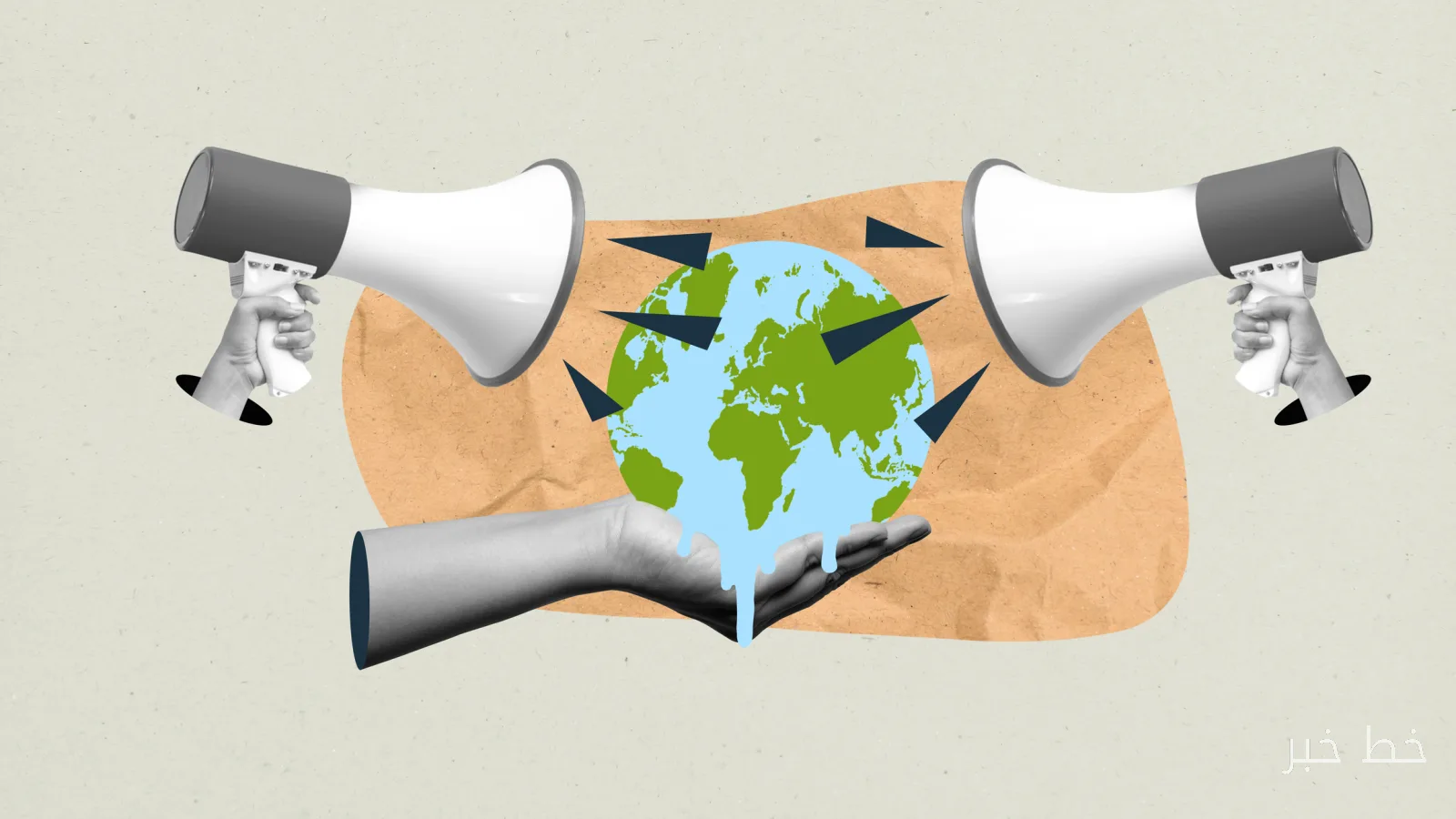
Discussing climate change and creating connections with what matters to people has been proposed as an effective solution. This type of communication can help increase public support for actions taken to combat climate change. Ultimately, if people do not talk to each other about this issue, how can they realize that others are also concerned about it?
Read more: Discovery of a new wildcat species in Bolivia by scientists · Oil pollution in the Strait of Hormuz has spread to the Persian Gulf