The Iran-U.S. war, which began with Donald Trump's prediction of its end in four to five weeks, has now reached its seventh month with no signs of conclusion. Tensions in the Persian Gulf have escalated with the resumption of attacks between Washington and Tehran, affecting the global economic situation.
Attacks on Tankers and Their Impact on the Oil Market
Attacks on tankers in the waters of the Strait of Hormuz, a vital trade route, have caused oil prices to rise to over $100 per barrel. Before the war began on February 28, about one-fifth of global oil production passed through this strait. Now, due to military tensions and Iran's actions, maritime traffic has been severely disrupted.
Read more: Pentagon announces the cost of the war against Iran is $42 billion
Advances of the Houthis and Their Impact on Iran's Regional Power
Alongside these issues, the advances of the Iranian-backed Houthis in Yemen and the capture of the strategic island of Perim have significantly affected the balance of power in the region. These developments have increased pressure on the oil market and created further instability in the area.
According to experts, the expansion of Houthi influence in the Red Sea allows Iran to gain more leverage in its war with the U.S. This situation puts additional pressure on the United States and its allies, who have relied on alternative routes for transporting goods.
Diplomatic Efforts and the Future of Peace Talks
Diplomatic efforts in the Middle East have faced setbacks, and Gulf countries, many of which host U.S. military bases, have postponed an important meeting with Tehran regarding the reopening of the Strait of Hormuz. Despite pressures to find a way to end the war, meaningful negotiations between the U.S. and Iran remain stalled.
The Trump administration has stated that it is ready to resume talks with Tehran, but his position contradicts his previous statements that he did not want to pressure Iran to the negotiating table. He has also predicted that the war may end immediately after the November midterm elections.
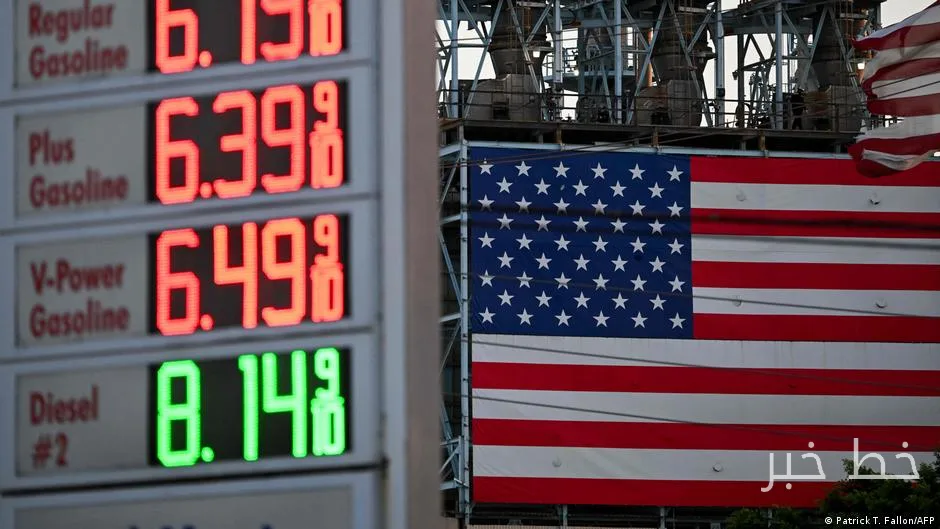
Overall, the war with Iran and its economic impacts are highly undesirable, and Americans are facing high energy costs. According to new analyses, this war has cost the U.S. government about $38 billion and has fueled inflation.
Read more: The cost of the Iran war for American taxpayers is $38 billion · The Secretary of the Supreme National Security Council confirmed the closure of the Strait of Hormuz