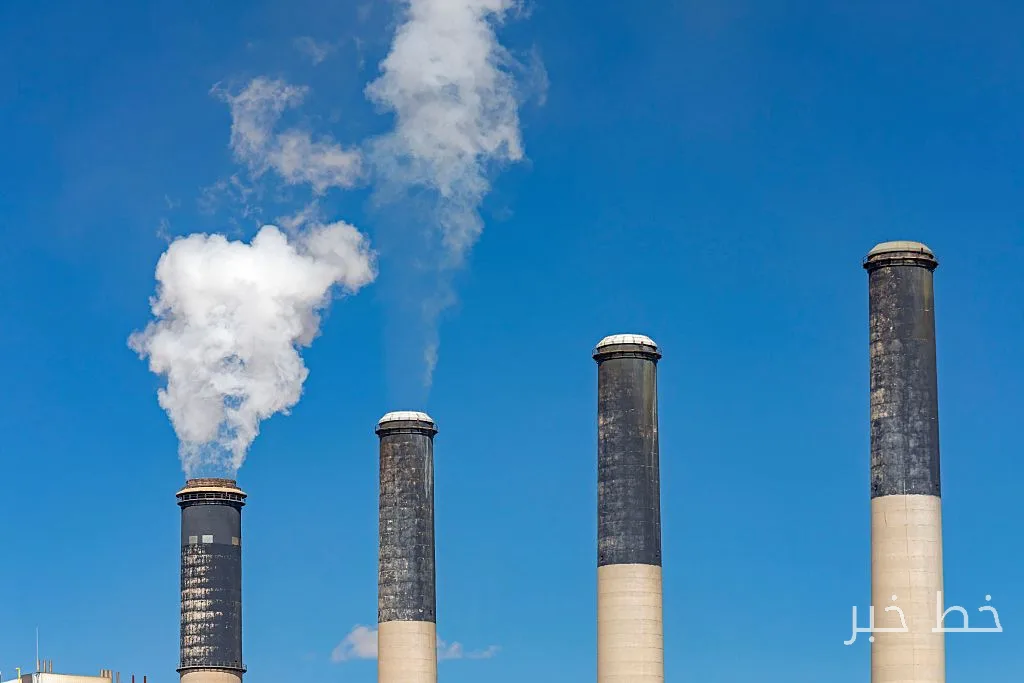
The U.S. Environmental Protection Agency (EPA) on Monday made a significant impact on current and future greenhouse gas regulations by revoking carbon rules related to power plants. These rules, established during the Biden administration, aimed to reduce carbon emissions from fossil fuel power plants and have now been completely discarded.
Reasons for Revocation
Lee Zeldin, the head of the EPA, announced at a G20 meeting in Houston that the agency is stepping back from the 2024 standards that imposed stringent requirements on coal-fired and some new natural gas power plants. Zeldin stated at the meeting, "For over 15 years, the Obama and Biden administrations have waged a war on coal to destroy reliable and affordable energy. The Trump administration is here to protect American energy and ensure you can afford to keep the lights on."
Read more: EPA Revokes Pollution Restrictions from Power Plants
Consequences of Revocation
This revocation was accompanied by a new proposal that eliminates the EPA's legal basis for regulating carbon emissions from power plants under the Clean Air Act. This action is intended to prevent future administrations from reinstating the standards. While these rules are likely to be challenged in court, if upheld, they would represent the end of most federal climate regulations. This is the third time a carbon rule for power plants has been revoked before implementation.
The EPA has been trying for over a decade to reduce greenhouse gases in the U.S. energy sector using Section 111 of the Clean Air Act. This sector is the second-largest source of climate pollution, following emissions from vehicles. If the Trump administration achieves its goals, this may be the last time the EPA regulates these gases.
The electricity industry has been strongly advocating for an end to regulatory fluctuations over the past decade, and this action reflects the Trump administration's increasing willingness to support fossil fuels over renewable energy. The package released on Monday responded to the electricity industry's urgent requests to revoke the remaining Obama-era regulations that required new gas-fired power plants to comply with stricter standards.
Electricity producers and utility companies have concerns about these standards but have generally overlooked the Obama-era regulations for coal-fired power plants. No new coal-fired power plants have been built in the United States in the past 13 years, although the Trump administration committed hundreds of millions of dollars this summer to support new coal-fired power plants in Alaska and West Virginia due to the new data center needs.
The new EPA proposal effectively gives the electricity sector the power to continue revoking the dangerous findings from 2009, which formed the basis of the EPA's climate regulations under the Clean Air Act. The agency official stated that this proposal advances the same argument — that the definition of air pollution in the Clean Air Act pertains only to local and regional impacts, not global effects.
The electricity industry has praised these changes and pointed to rising demand and high consumer prices. Jim Matheson, CEO of the National Rural Electric Cooperative Association, urged the EPA to "wrap up the work quickly." Meanwhile, environmental activists and Biden administration alumni condemned the move, stating that this decision comes at a time when the risks of climate change are becoming increasingly evident.
Read more: Big Cities on Fire: How to Survive the Heat? · Yankee Stadium Unit Under Review for Legionella Bacteria Contamination