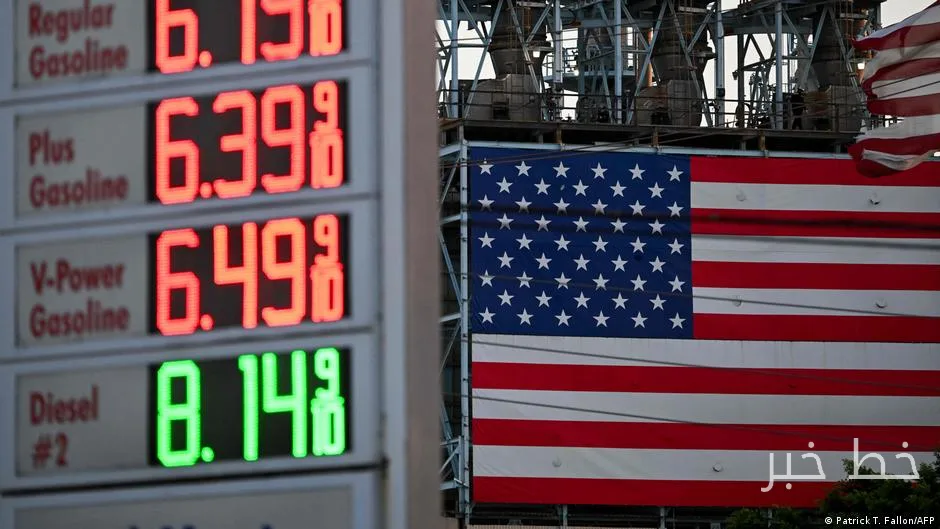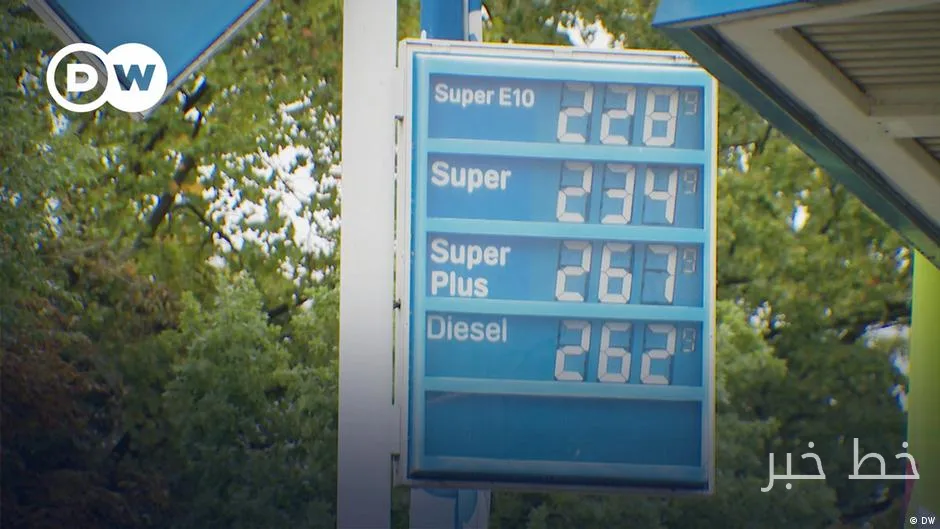
The German Parliament voted on Friday for a temporary fuel tax cut. This decision was made to help citizens against rising prices and includes a reduction in taxes on gasoline and diesel by about 0.17 euros per liter from October until the beginning of the new year.
Details of the Tax Cut
This is the second time that Germany has temporarily reduced fuel taxes this year. This measure is expected to cost around 2.5 billion euros for federal and state governments. This decision was made in response to rising prices due to the war in Iran.
Read more: Decrease in Republican support for the war in Iran following rising fuel prices
Reactions to the Tax Cut
The fuel tax cut has sparked various reactions. Some economic experts believe that this measure can help alleviate pressure on families, while others criticize it as a short-term solution and call for more long-term measures.
Meanwhile, another news from Germany addresses the ban on the installation of "Stolpersteine" (stumbling stones memorializing Holocaust victims) in the city of Heidenau. The city council of Heidenau announced the ban on these stones due to concerns about neglecting the memory of the victims. This decision has been supported by the CDU and AfD parties, while the city management has protested against this action.
Social and Cultural Consequences
The International Auschwitz Committee has described the city council's action as unacceptable and views it as an attempt to erase the memory of the Nazi victims. This issue has faced severe criticism and has sparked serious discussions about the necessity of preserving the memory of Holocaust victims in public spaces.
Alongside these issues, the German government is examining a proposal from the Left Party to address the housing crisis in Berlin. This proposal includes nationalizing large housing companies that own more than 3,000 apartment units. This action has faced strong opposition from the federal government and local authorities.
Economic and Social Challenges
Ultimately, Germany is facing serious challenges in the housing sector and economic problems arising from recent crises, including the reduction of water levels in the Rhine River. The lowering water levels of this river, which is one of the country's important trade routes, have raised concerns about the continuity of economic activities. Overall, Germany is currently in a sensitive situation that requires immediate and effective measures.
Read more: Lawmakers seek bipartisan agreement on paid leave and tax credits for newborns · Scott Jennings expressed doubt about Trump's $5,000 proposal