Governments are lagging behind in achieving the United Nations biodiversity goals. According to a new study, governments around the world are not on the right track to achieve the historic United Nations goal of protecting at least 30 percent of land and oceans by 2030.
Current status of land and ocean protection
This research, published by the environmental groups "Campaign for Nature" and "Together for Oceans," shows that about 20 percent of land and inland waters have been designated as protected areas. This goal, known as "30x30," was signed in 2022.
Read more: The discovery of five baby orangutans in India raised concerns about wildlife trafficking
If countries fully meet their existing quantitative commitments, estimates suggest that this figure could rise to 27 percent by 2030. The 30x30 goal was adopted under the "Kunming-Montreal Global Biodiversity Framework" at the COP15 conference, with nearly 200 countries committing to allocate at least $200 billion (about €175 billion) annually to reduce biodiversity loss.
Challenges in ocean protection
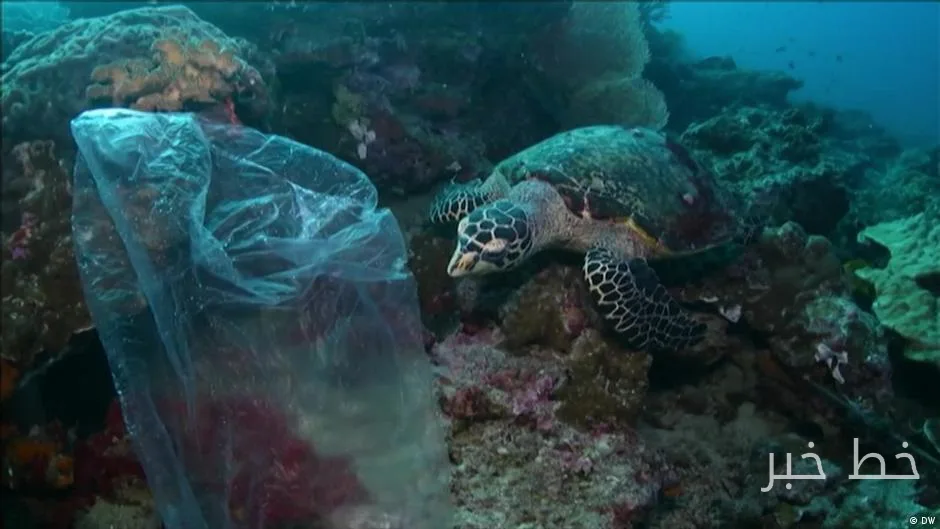
This study also points to the status of ocean protection, stating that ocean conservation is currently severely lagging. Currently, only 10 percent of the world's oceans are under protection, and this figure may only rise to 12 percent by 2030.
The group "Together for Oceans" has stated that the ocean has emerged as one of the main challenges in implementing the 30x30 goal, and important marine ecosystems, such as marine and deep-sea habitats, remain vulnerable.
Last month, the Convention on Biological Diversity, the United Nations treaty dedicated to global nature goals, also warned that countries are not on the right track. This report identified funding for nature conservation as one of the biggest barriers to achieving global goals.
The research indicates that between $100 billion and $180 billion per year is needed to achieve the 2030 goal, while current annual spending only reaches $24 billion. This gap is particularly pronounced for oceans, where nearly $16 billion is needed annually, but only about $1.8 billion is currently being spent.
From October 19, the United Nations biodiversity summit in Yerevan will witness a review of the progress shortfalls and an assessment of ways to get back on track to the goal.
Read more: The Trump administration has again reduced protections for endangered species · Donald Trump emphasized the need for an agreement with Iran or its destruction