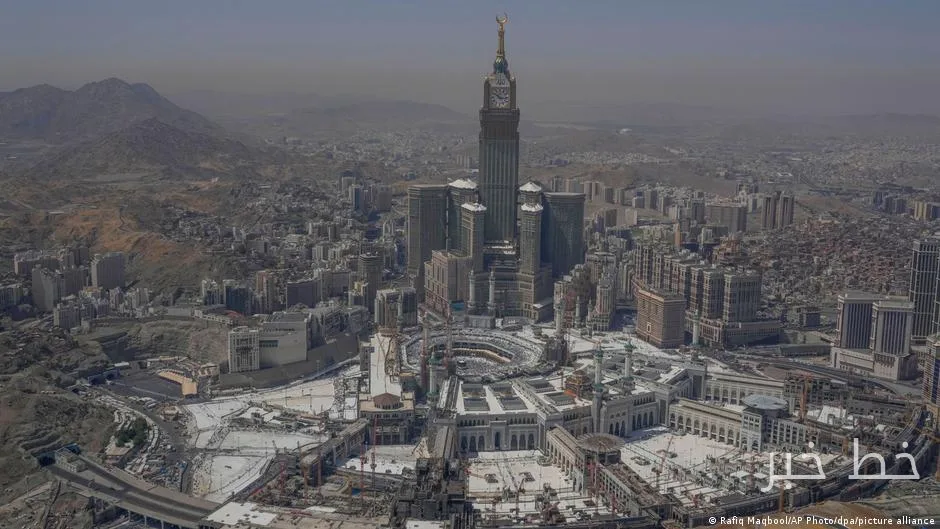
The Houthi attacks on Saudi Arabia's strategic facilities are significantly increasing, posing a serious threat to the national priorities of this country. On Tuesday, the Houthis attacked the headquarters of the oil company Aramco in Dhahran. On Wednesday, the group announced that it would continue its attacks on Saudi airports and oil facilities, and on Thursday, a cruise missile was targeting the Medina region, which was successfully intercepted.
Security Impacts on Tourism and Investment
Following the Houthi attacks over the past weekend that resulted in the deaths of more than twelve people and injuries to over 300 at King Khalid International Airport in Riyadh, potential tourists and investors have become extremely concerned about the security situation and travel to Saudi Arabia. Several airlines have suspended their flights to Riyadh, and this airport is likely to remain closed until at least October 17. Additionally, Saudi Arabia's Future Investment Initiative, which typically attracts foreign leaders and key business players to the country, has planned to offer remote participation instead of in-person attendance.
Read more: ICE rejected the use of automatic body cameras
Economic and Political Challenges
Timothy A. Caldwell, Deputy Director of the Middle East Research Center in Washington, says: "The conflicts between the Houthis and the Saudi government challenge the image of stability and security in Riyadh amid the broader U.S.-Iran war." He added that the attacks on Saudi Arabia also threaten Riyadh's efforts for economic diversification, as these efforts depend on tourists' perceptions of the country's security.
After the U.S. and Israeli attacks on Iran in February, Tehran and its allied Houthis have continued to target Saudi Arabia, America's closest ally. Saudi Arabia is also supporting the Yemeni government in its war against the Houthis with airstrikes in Houthi-controlled areas.
Saudi Arabia launched its "Vision 2030" program a decade ago, aimed at reducing the country's dependence on oil and achieving economic and social transformation. Simon Wolfgang Fuchs, a professor at the Hebrew University of Jerusalem, says: "Saudi Arabia is pursuing a nationalist and 'Saudi-first' policy aimed at advancing the country globally as an aviation power and a major tourism destination." He views the Houthi attacks as a serious blow to these goals and the financial resources available to achieve them.
Pauline Rob, a senior analyst at the Berlin-based think tank Middle East Minds, emphasizes that Saudi Arabia urgently needs to find a solution that protects its population from this conflict while limiting economic damages and reputational costs. She states: "This is a race against time." While the conflict between Saudi Arabia and the Houthis is not new, it has intensified due to the overall situation in the Gulf, representing an escalation of the status quo.
However, she notes the loss of Saudi Arabia's position as a threat on the horizon, stating: "In the short term, Saudi Arabia is a belligerent actor in a region embroiled in conflict." Riyadh remains a key player through investments, its position as the world's largest oil exporter, and its role as the custodian of Islam's holy sites in Mecca and Medina.
Caldwell adds: "Riyadh paints a strong image of these countries with strong relations with regional powers." However, much attention has been drawn to the lack of U.S. defensive support. While Saudi Arabia's closest ally, the United States, has shown its willingness to support Riyadh through intelligence sharing and targeting assistance against the Houthis, Washington has so far refrained from deploying American forces for direct attacks. For Saudi Arabia, it is understood that the U.S. prioritizes avoiding opening another front in regional conflicts against Iran.
Read more: Chris Murphy brought his fight against the Iran war to the Middle East · Shooting at a school in Bend, Oregon resulted in multiple casualties and the shooter's death