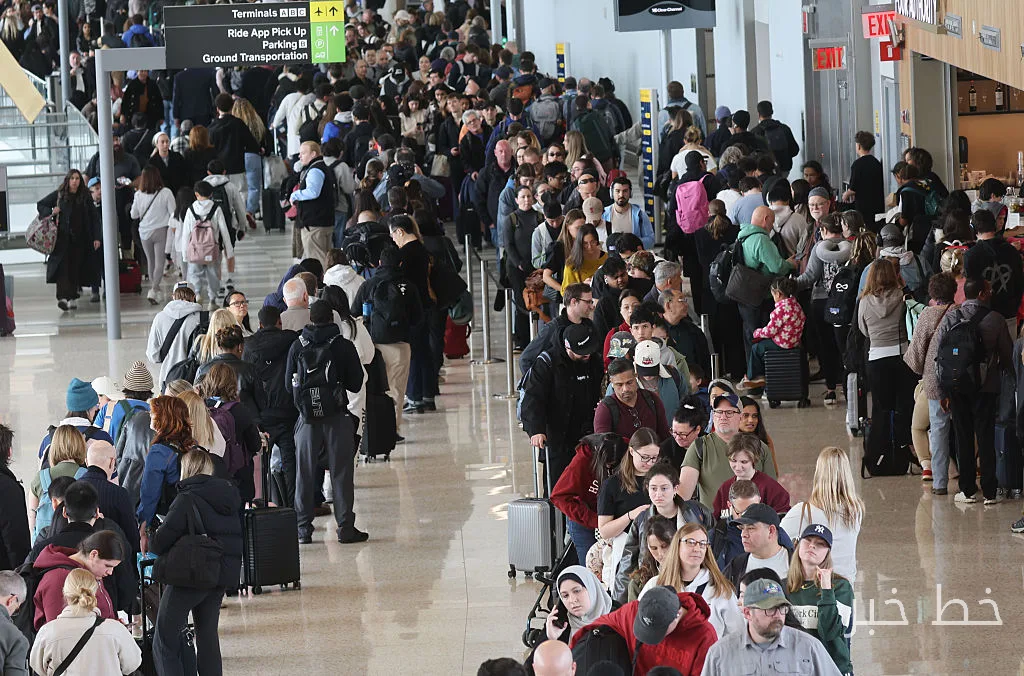
Airfare prices in the summer of 2026 have increased by up to 27% due to rising fuel costs. While the summer travel season has come to an end, the pressure of high ticket prices continues, and with the approach of Thanksgiving, Christmas, and New Year holidays, rates are expected to be between 9% and 18% higher than last year.
Impact of War and Changes in the Aviation Industry
Before the rise in oil prices due to the war in Iran, major airlines in the United States had already demonstrated their ability to increase costs. Since 2008, airlines have started charging for checked baggage, generating over $7 billion in revenue from this by 2025. Additionally, fees for seat selection and services at airports have widely increased, and air services in many small towns and regional airports have significantly decreased.
Read more: New SNAP officials will take effect from October 1
The Role of Government and the Future of the Aviation Industry
The federal government has played a significant role in shaping the current situation. In the 1950s to 1970s, known as the “Golden Age” of air travel, American travelers benefited from regular competition. However, in 1978, the Airline Deregulation Act was passed with the aim of increasing competition. This law initially succeeded in creating more competition but soon led to monopolization in the industry.
Today, major airlines like Delta and American have significant control over flights in major cities. With reduced competition, companies have moved towards dynamic pricing and service separation, and now there is a threat of personalized pricing using advanced technologies.
However, the aviation system can be changed to be more reliable, competitive, and fair. This includes ending the idea of “flight country” and creating sustainable air services for small and regional communities. There is also a need for investment in aviation infrastructure and setting minimum seat sizes.
Flight is an amazing human achievement and should be appreciated, but this does not mean accepting the injustices and difficulties of this industry.
Read more: Trump's approval rating hits historic low in Wall Street Journal poll · Trump spoke about the U.S. economy and accused the media of spreading fake news