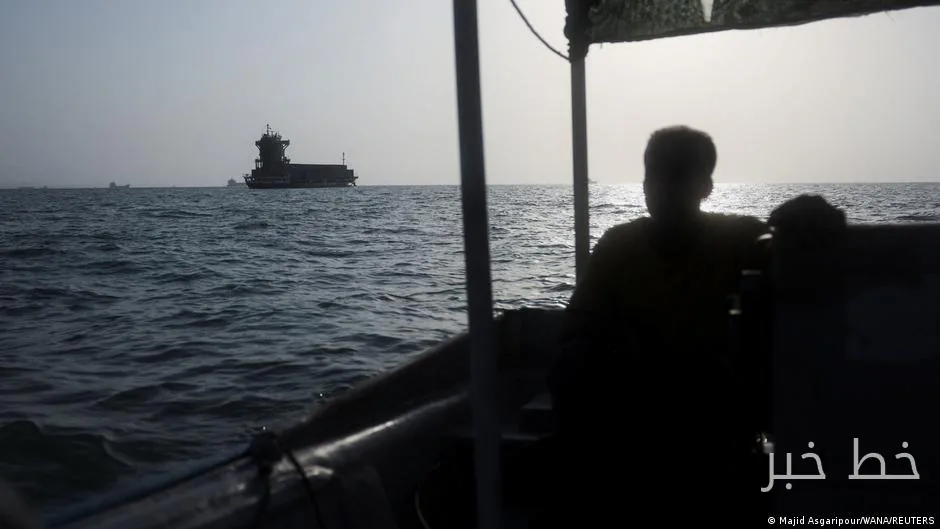
Due to U.S. sanctions, Iran has shifted its trade towards northern ports and land routes. This change in trade strategy has arisen following severe restrictions on maritime transport, prompting Iran to seek new ways to meet its needs.
Challenges of Maritime Trade
U.S. sanctions against Iran have severely impacted the country's maritime exports and imports, leading Iran to seek alternative ways to secure its essential goods. Analysts believe that under current conditions, Iran's northern ports can serve as new corridors for trade, but these routes cannot fully replace maritime trade.
Read more: 4.7% Inflation and Warnings from Global Financial Institutions; Is a Crisis on the Way?
Land Routes and Their Advantages
In order to reduce dependence on maritime transport, Iran has focused on developing land routes. These routes can play an important role in transporting essential goods and help meet domestic needs. However, experts believe that these corridors cannot alone meet Iran's trade needs, and maritime trade remains necessary.
In this regard, Iran is seeking to strengthen its infrastructure in northern ports and increase land transport capacity. These measures could help reduce transport costs and increase the speed of goods supply. However, there are still many challenges ahead for Iran that need to be addressed.
Consequences of the New Strategy
Iran's change in trade strategy could have significant implications for the country's economy. On one hand, this change could help increase self-sufficiency and reduce dependence on imports, but on the other hand, it also brings challenges. For example, creating new infrastructure and securing financial resources for the development of these routes requires significant time and investment.
Moreover, analysts believe that while land routes can serve as a complement to maritime trade, they cannot meet all of Iran's trade needs on their own. Therefore, Iran must seek sustainable and multifaceted solutions to address its economic challenges.
Read more: Alan Lawell: The New Head of British Steel with an Impressive Background · Maine's Lobster Industry Under Pressure in Trade War with Canada