The Organisation for Economic Co-operation and Development (OECD) has increased its forecast for global economic growth for 2026 to 2.9% despite the war in the Middle East. This figure represents a 0.1% increase from the June estimates.
Financial Conditions and War Impacts
OECD stated that economic growth in 2026 remains "resilient" and that "broad financial conditions remain supportive." The organization also noted that the impact of the Middle East war has been mitigated by other factors. Factors such as significant oil inventories, additional supply from outside the Gulf economies, and government support measures have helped reduce the negative effects of this war on the global economy.
Read more: Diesel Export Ban Causes Disagreement Among Republican Senators
Investment in New Technologies
OECD also emphasized that investment in artificial intelligence technologies could lead to "stronger growth than previously forecasted," but warned that if these investments do not yield expected results, economic growth may still decline. However, global growth has decreased from 3.4% last year, and OECD's forecast for 2027 has also been reduced by 0.1% to 3%.
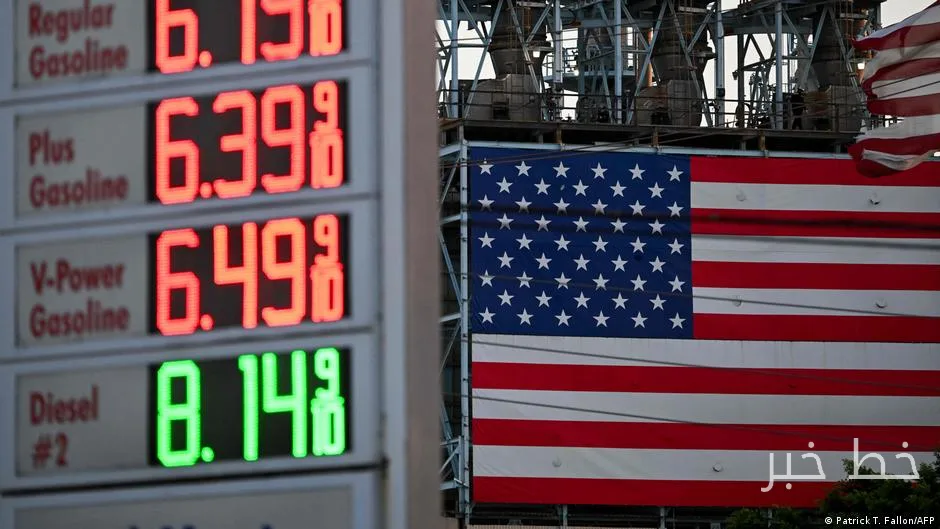
Governments around the world have begun raising interest rates due to inflationary pressures from rising oil and gas prices. OECD stressed the importance of finding a sustainable solution to this conflict, as the continuation of the war is likely to lead to increased inflation.
Economic and Climate Threats
This crisis has also led to increased yields on government bonds. OECD highlighted that "the rise in bond yields underscores the need for increased efforts to contain and reallocate government spending, improve public sector efficiency, and strengthen revenues to ensure long-term debt sustainability and maintain governments' ability to respond to significant shocks."
OECD also pointed to other threats such as climate-related risks like El Niño, which could lead to supply bottlenecks and increased food costs.
Read more: Severe Fuel Shortage in Five Countries Reaches Crisis Stage · 43% of Americans Blame Trump for Current Economic Situation