Global carbon emissions are expected to decrease slightly this year due to the war in Iran and energy supply disruptions from the Strait of Hormuz. This conclusion comes from a new study that indicates carbon gas emissions have temporarily decreased due to rising energy prices.
War and Its Impact on Carbon Emissions
According to this study, emissions from oil, gas, and coal, which are the main drivers of climate change, are projected to decrease by 0.4 percent in 2026. Greg Stanton, one of the authors of the study, emphasized that this reduction is primarily due to the war in Iran and the situation in the Strait of Hormuz. He stated, "This reduction seems like good news, but for the wrong reasons."
Read more: The Head of the International Energy Agency Announced a Renewed Priority to Combat Climate Change
Temporary Effects and the Need for Structural Changes
This study has been published as global leaders gather in Turkey for the UN Climate Conference COP31. The findings of this research indicate that oil-related emissions will decrease by 1.9 percent in 2026, while natural gas emissions will decrease by 0.3 percent. However, coal emissions continue to grow, increasing by about 0.6 percent.
Stanton also warned that a one-year decrease in carbon emissions does not signify a peak unless these changes are structural. He explained that a structural change means emissions gradually reach a peak and then slowly decline, which is not currently observed.
In recent years, global carbon emissions have decreased three times. Previous reductions occurred during the global economic crisis in 2009 and during the COVID pandemic in 2020. In each of these cases, emissions increased again after the global economy recovered.
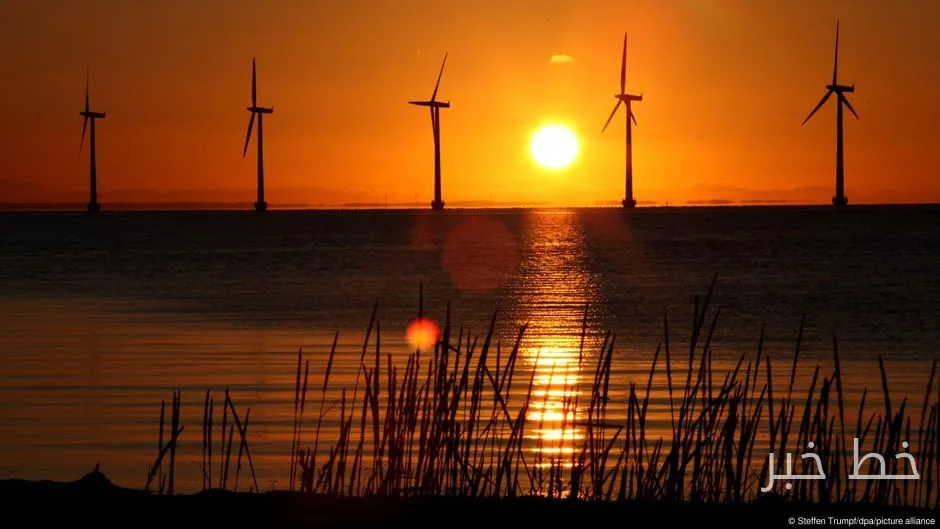
While geopolitical factors have contributed to a temporary reduction in carbon emissions over the past year, the increase in renewable energy has also played a role in this trend. However, these changes alone have not been sufficient to reduce emissions.
Pierre Friedlingstein, another author of the study, stated that the long-term response to this challenge requires rapid deployment of clean energy technologies. Despite the slight decrease in greenhouse gas emissions, the study warns that overall carbon dioxide emissions globally have still increased by about 1 percent. This increase is attributed to changes in land use such as deforestation and peat fires, which have rapidly escalated.
Read more: Air Pollution in Delhi Remains a Crisis · COP31 Could Be the Last Chance for the European Union to Influence Climate Negotiations