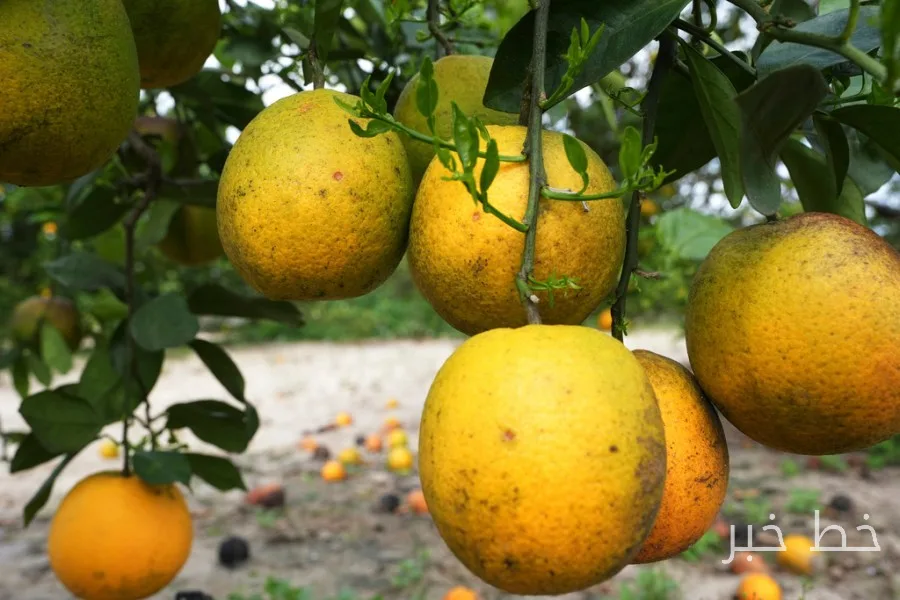
Greg Stanton and Christopher Shiz, former representatives from Connecticut, warn about the proposed seasonal tariffs for agricultural producers in Florida. They see these tariffs as a threat to the food supply chain in North America and believe that accepting them could have serious consequences for food security in the United States.
Economic Consequences of Seasonal Tariffs
Stanton and Shiz point out that seasonal tariffs could lead to increased food prices in the United States and particularly negatively impact consumers. They assert that these tariffs could disrupt the food supply chain, as American producers will face challenges competing with imported products from Mexico.
Read more: Monsoon Failure Causes Water and Electricity Crisis in India
Risk of Retaliation from Mexico
The former representatives also mention the likelihood of retaliation from Mexico. They believe that if the United States imposes seasonal tariffs on agricultural products, Mexico may respond by imposing tariffs on American products. This action could escalate trade tensions between the two countries and ultimately harm both sides.
Stanton and Shiz emphasize that the government should recognize that ensuring food security is a critical issue for the country and should not disrupt the food supply chain for the sake of supporting a specific group. They urge the government to uphold food security and the overall interests of the country by rejecting these seasonal tariffs.
Suggestions for Improvement
As an alternative, Stanton and Shiz suggest that the government focus on improving agricultural technologies and increasing the productivity of domestic producers instead of imposing seasonal tariffs. This action would not only help improve product quality but could also enhance the competitiveness of American agriculture in global markets.
Ultimately, they conclude that trade policies should be designed to benefit the entire country, not just a specific group. This approach could support domestic producers while also meeting the food needs of consumers.