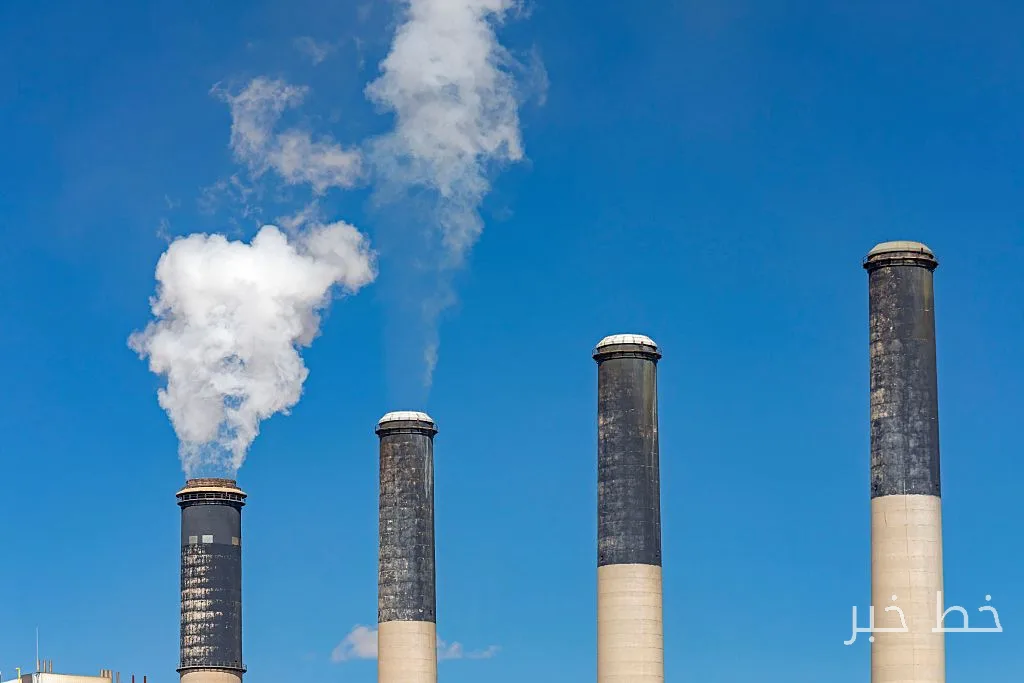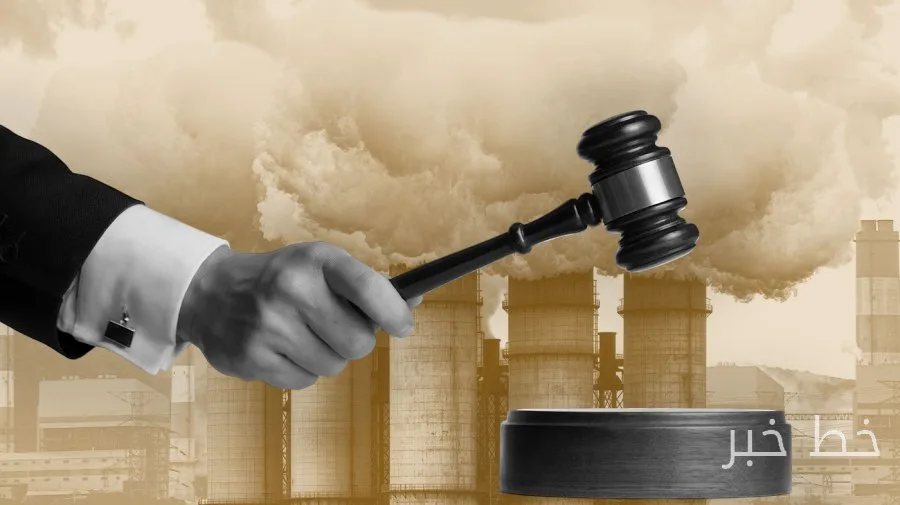
The Clean Air Act in the United States is designed to protect public health and the environment from harmful pollution. This law was specifically enacted to support Americans against the negative impacts of air pollution. However, evidence suggests that this law has been misused in a way that exempts oil and fossil fuel companies from legal accountability.
Legal Responsibility of Oil Companies
Currently, large oil companies are trying to evade accountability for their environmental violations by citing the Clean Air Act. This is while the main goal of this law has been to protect citizens and the environment, not to support companies. In fact, this law should be used as a tool to create accountability in the fossil fuel industry, not as a shield to escape the consequences of wrongful actions.
Read more: SpaceX is facing a land exchange program in a protected area in Texas
Impact on States and Taxpayers
By using this law, oil companies not only harm citizens but also place a heavy financial burden on taxpayers. The health and environmental costs resulting from the pollution produced by these companies are directly imposed on the community. This highlights the need for a new and comprehensive approach to reform the Clean Air Act.
Overall, the Clean Air Act should be used as a tool to protect public health and the environment, not to safeguard the economic interests of large companies. It is essential for states and the federal government to amend laws in a way that holds oil companies legally accountable and prevents them from using legal loopholes to escape responsibility.
Read more: Governments are lagging in achieving the UN biodiversity goals · The court hearing for the James Comey case has been postponed until 2027