The German government, led by Chancellor Friedrich Merz, is preparing to reinstate fuel subsidies. This decision has been made under severe economic pressure and the urgent need to reduce living costs for citizens. The subsidy, amounting to billions of euros, is set to be approved today in a meeting with members of the Bundesrat.
Purpose of the Fuel Subsidy
The main goal of this subsidy is to help reduce fuel costs for citizens. Given the rising prices in the global market, the German government hopes that this action can alleviate economic pressures on citizens. However, the main question is whether this subsidy will actually reach consumers or if its impact will not be felt at the gas stations.
Read more: German economic institutions doubled their forecast for 1.3% economic growth for 2026
Examining the Various Aspects of the Subsidy
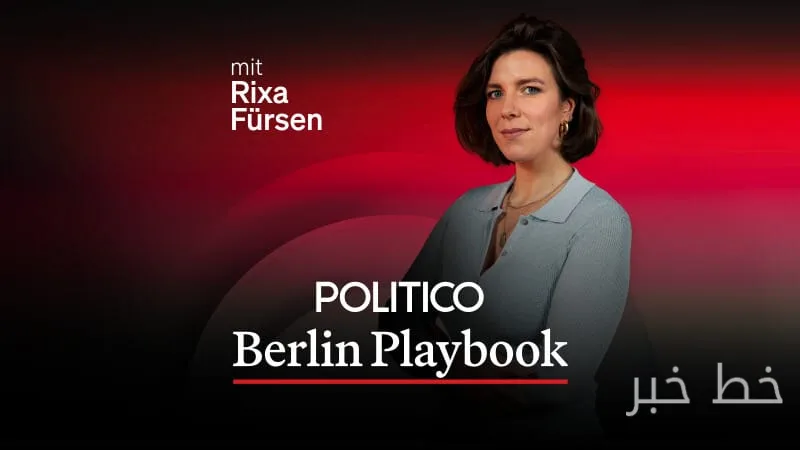
Josh Groeneveld from the "Energy & Climate in the Morning" program has examined the various dimensions of this decision and points out its positive and negative outcomes. According to him, while this subsidy can help reduce fuel costs, it is possible that part of this funding may indirectly end up in the pockets of oil companies and not reach consumers.
On the other hand, this subsidy is set to be implemented alongside other government efforts to improve economic and social conditions in Germany. It seems that this decision could benefit citizens in the short term, but there are questions about the sustainability and effectiveness of such subsidies in the long term.
Munich Meeting and Migration Issues
Alongside this issue, European interior ministers are working on changes to migration policies. Under the leadership of Alexander Dobrindt, the German Minister of the Interior, they are exploring solutions to create return centers in third countries. The aim of this meeting is to send clear signals to other countries regarding cooperation on migration issues.
The "Munich Migration Meeting" is seen as an opportunity to establish new agreements on migration policies. However, the question is whether these efforts can lead to tangible and real results.
Choosing the Host City for the Next Olympics
In another matter, the German Olympic Committee is deciding on the host city for the upcoming Summer Olympics. In this context, Ronald Rauhe, the new German Minister of Sports, highlighted the importance of this major project and the country's urgent need for it in an interview. He also emphasized the importance of Germany returning to its prestigious position on the international stage.
Overall, the German government is pursuing policies that may benefit citizens in the short term, but it remains to be seen whether these actions will lead to real improvements in economic and social conditions in the long term.
Read more: The European Union is approaching trade agreements with Southeast Asian countries · Xi Jinping arrived in the United States for an official visit