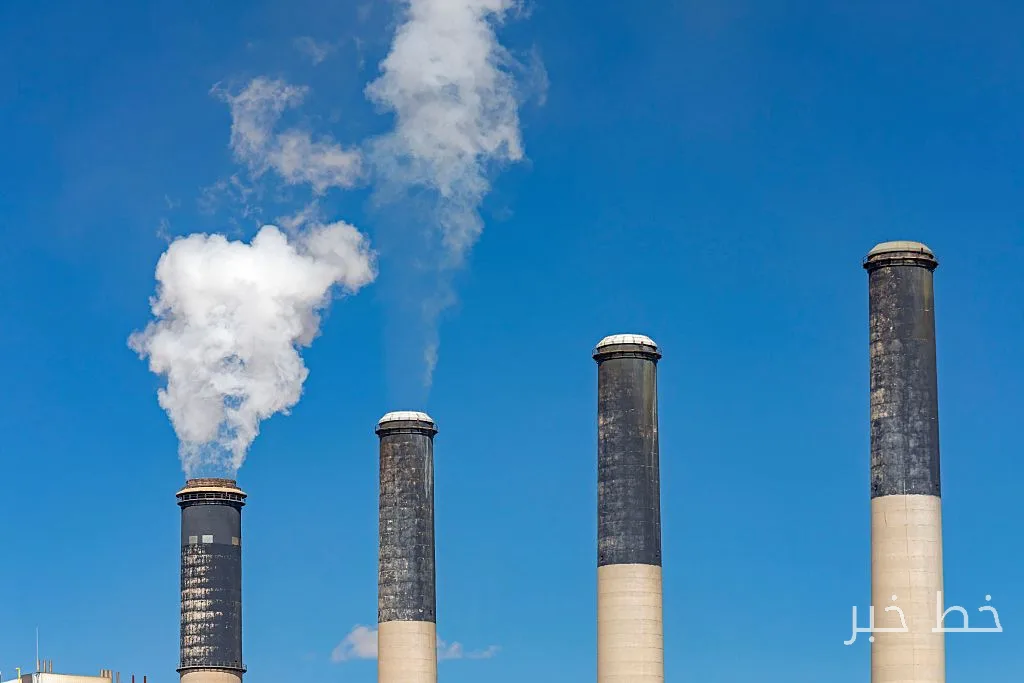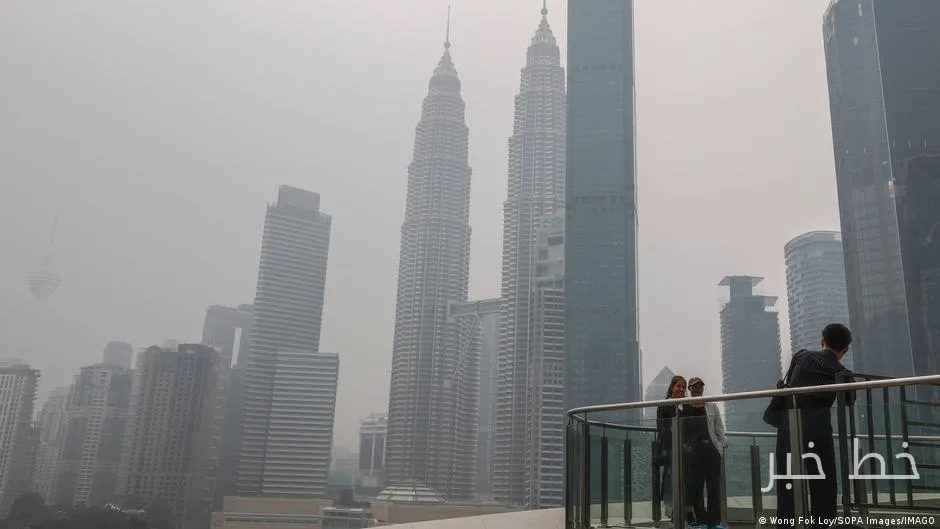
Data centers, recognized as critical infrastructure for information technology, are currently facing numerous environmental challenges. One of these challenges is the use of persistent chemicals, which can lead to further problems for the environment. These substances, known as "forever chemicals," have raised serious concerns due to their very high stability and non-degradability in the environment.
Persistent Chemicals and Their Dangers
Persistent chemicals include compounds such as PFAS (perfluoroalkyl and polyfluoroalkyl substances) that are used in various products, including water- and stain-resistant coatings, disinfectants, and even in the cooling systems of data centers. These substances easily infiltrate soil and water and remain in the environment for a long time. These characteristics make controlling and eliminating them from the environment very difficult.
Read more: The discovery of five baby orangutans in India raised concerns about wildlife trafficking
Increased Public Pressure and the Need for Change
With the increasing use of artificial intelligence and new technologies, public pressure on data centers to reduce the consumption of natural resources and lessen environmental impacts has intensified. Issues related to electricity and water consumption in data centers, along with concerns about persistent chemicals, have prompted companies to consider serious changes in their processes. These pressures can lead to changes in the design and construction of data centers, minimizing the use of harmful chemicals.
Ultimately, given the environmental challenges and public pressure, data centers are expected to move towards the use of green and sustainable technologies. These changes will not only benefit the environment but will also help improve the public image of these centers. In this regard, collaboration among governments, technology companies, and non-governmental organizations can aid in achieving this goal.
Read more: The European Commission warned Turkey about waste management · George Huang: Artificial intelligence should not be regulated like social media