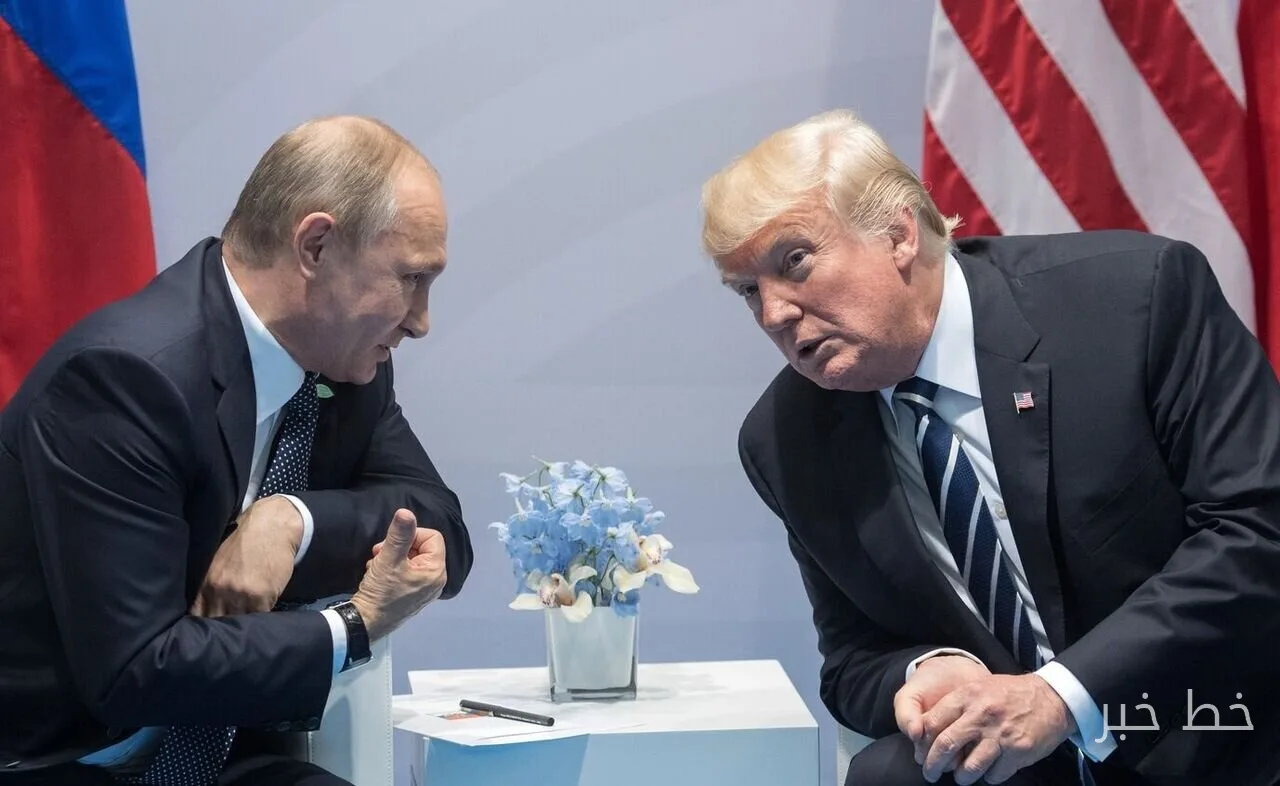
The agreement between Donald Trump and Vladimir Putin to temporarily suspend sanctions on Russian diesel imports to the U.S. will not have a significant impact on the conditions for drivers and businesses in the U.S. and other countries around the world. This warning was issued by experts in the fields of energy and foreign policy in a report.
The Agreement and Its Impact on the Fuel Market
The U.S. President announced this agreement on Friday, which angered Volodymyr Zelensky, the President of Ukraine. Trump wrote on the social media platform Truth Social that the agreement with his Russian counterpart is essential to secure millions of tons of diesel to reduce fuel prices in the U.S. Prices have surged sharply following his decision to initiate a war against Iran.
Read more: Taylis deemed Trump's agreement with Russia detrimental to Graham's efforts
According to the package announced by Trump, 300,000 tons of diesel will be immediately released for the U.S. and global markets. Additionally, another 500,000 tons will be released in November, followed by another million tons. Calculations show that 300,000 tons of diesel is equivalent to about three-quarters of the country’s daily consumption.
Criticism and Challenges
Experts believe that the volume of the agreed shipments and the time required for their arrival in the U.S. are too negligible and late to affect the current high fuel prices. Analysts have also linked the rise in fuel prices to the poor standing of Republicans in polls ahead of next month’s midterm elections.
According to statistics from the American Automobile Association, diesel prices in the country have increased by nearly 70 percent since the start of the war against Iran, reaching about $6.30 per gallon. In the UK, the average price of diesel has also reached a record £2 per liter.
Ashley Kelty, an energy analyst at Penmore Librium Investment Bank, emphasized that this agreement will have no impact on prices. She added that shipping the cargoes will require chartering a ship, and the loading and transfer process to the U.S. takes about three weeks. Therefore, the shipments will not arrive in time, with only about a week left until the midterm elections.
Kelty also warned that sending these shipments could complicate the global supply chain. Multinational companies must determine which of their shipments have Russian origins and may be considered a violation of sanctions in other jurisdictions, including Europe.
The U.S. Treasury Department, under this agreement, has suspended the enforcement of sanctions against Russian diesel exports until April 7, but other sanctions related to Russian products remain in place.
Zelensky described Trump's agreement as a "weak decision" and said this action would encourage Russia to continue its attacks against Ukraine. In response, Trump attributed Ukraine's attacks on Russian energy infrastructure as the reason for rising fuel prices and stated that Ukraine needs "new leadership."
Zelensky also announced that if Russia stops its attacks on Ukraine's energy infrastructure, Kyiv is ready to halt attacks on Russian oil refineries. Trump then wrote on Truth Social that from this moment, a ceasefire in the energy sector in the war between Russia and Ukraine is in effect.
Maximilian Hess, founder of the political risk consulting firm Enmetna, stated that this agreement is unlikely to have any meaningful impact in the U.S. or international markets. He noted that Putin's main goal with this agreement is for it to fail so that he can portray Ukraine as the culprit and escalate tensions between Trump and Zelensky.
Read more: The Trump administration announced a reduction in sanctions against Russia · Former Ukrainian Foreign Minister warned Europe about the dangers of war