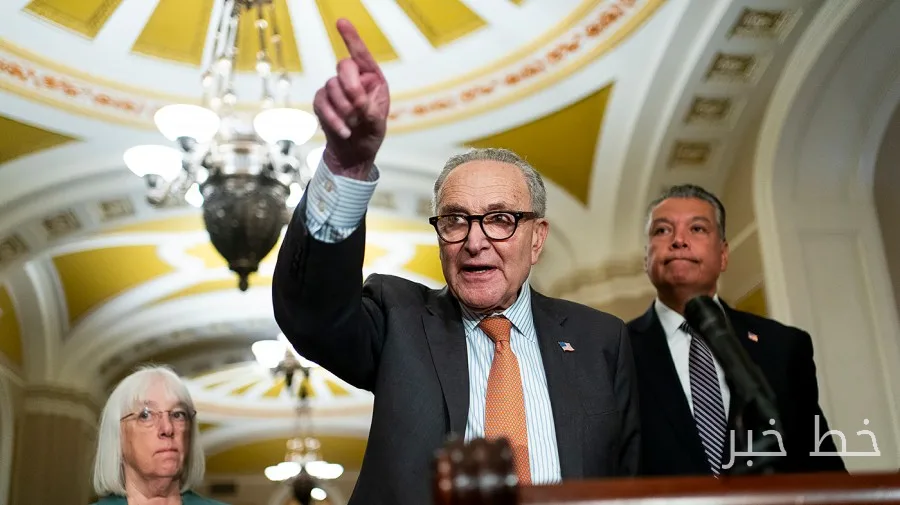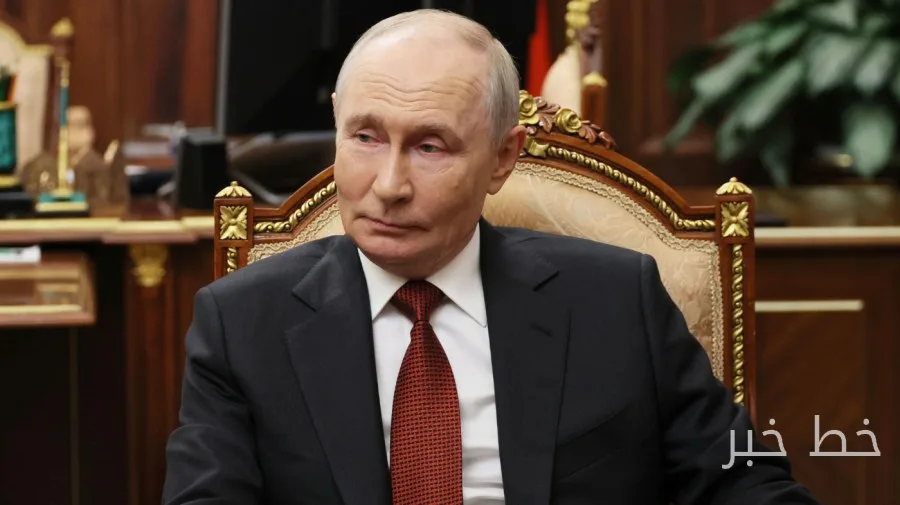
On Wednesday, the U.S. House of Representatives passed a bill that grants President Donald Trump the authority to impose sanctions on countries purchasing Russian energy, as well as to implement stricter sanctions against the Kremlin due to the war in Ukraine. This bill is now sent to Trump's office for signature, marking the end of a legislative journey lasting more than a year and a half.
Details of the Sanctions Bill
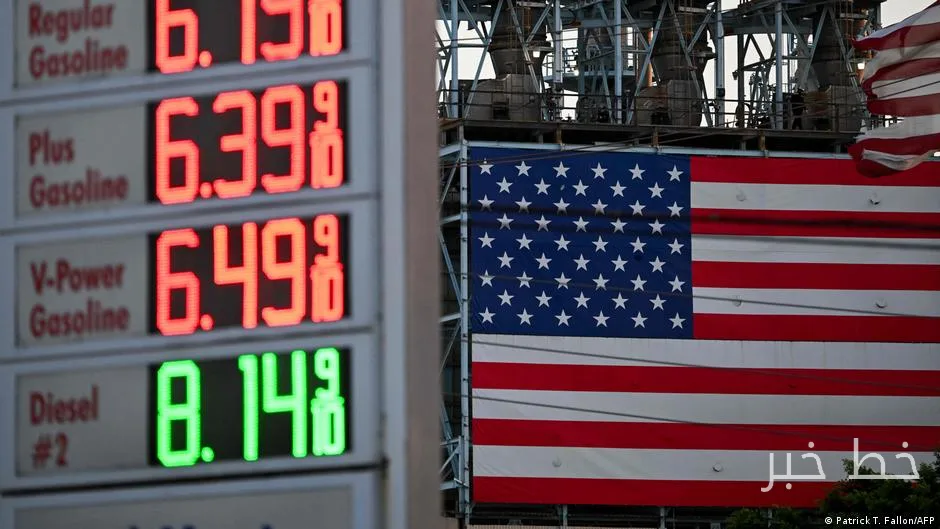
This bill allows the President to impose tariffs on countries that purchase Russian energy. The aim of this law is to increase pressure on Russia due to its military actions in Ukraine and to weaken the financial resources of the country. Given the global energy crisis and the dependence of some countries on energy imports from Russia, the passage of this law is particularly significant.
Read more: The U.S. War Against Iran Likely to Increase Inflation
Responses to the Sanctions
These sanctions are expected to elicit multiple reactions from the sanctioned countries. Russia has previously stated that it would respond to Western sanctions and may take actions to limit its energy exports to violating countries. This could impact global energy markets and lead to price increases.
The passage of this bill comes at a time when tensions between Russia and the West have sharply escalated, and the Ukraine crisis has become one of the main issues in global politics. U.S. officials believe that these sanctions could help reduce Russia's financial capabilities to continue the war and could have significant economic repercussions for the Kremlin.
Economic Consequences
This law could lead to major changes in the energy policies of Western countries. Given the dependence of some European countries on Russian energy, these sanctions may prompt a shift in energy supply routes and an exploration of other options, including renewable energy sources and natural gas from other countries.
Moreover, this action could strengthen international cooperation in energy security and increase pressure on other countries to reduce their dependence on Russian energy resources. At the same time, ongoing tensions and reduced trade with Russia could benefit some of its competitors.
Read more: Greg Stanton Under Pressure Ahead of Federal Reserve Rate Hike · Poland Confirms Its Support for Ukraine After Drone Attacks