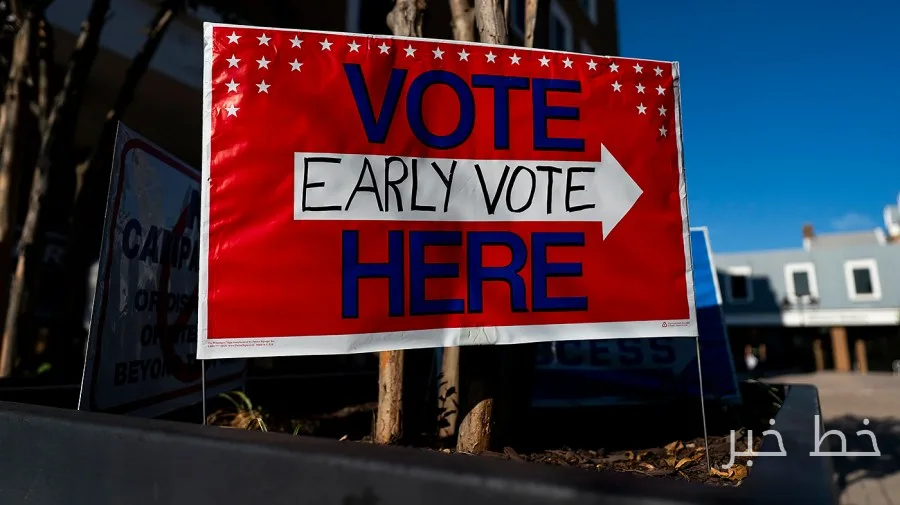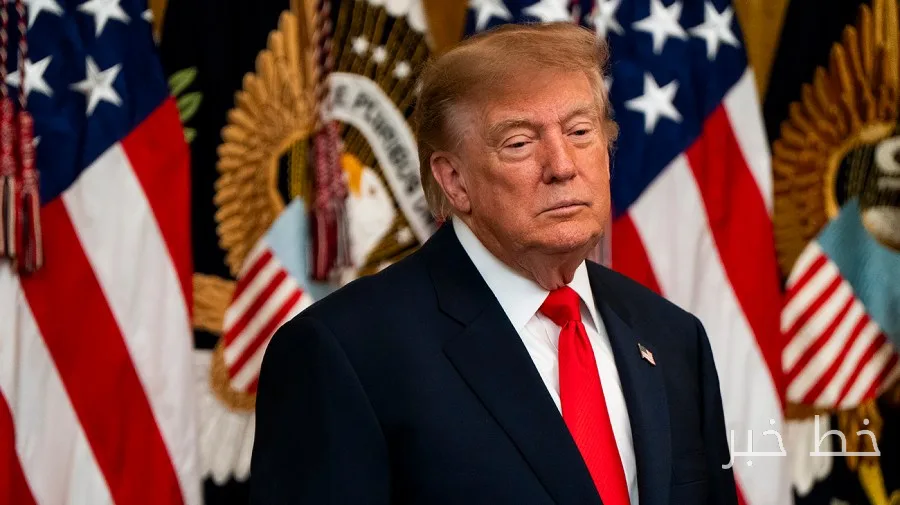
The Trump administration has challenged Republican senators on the eve of the midterm elections by announcing a controversial agreement to allow the export of diesel from Russia to the United States. This action comes suddenly as four Republican senators stand against this agreement and have voiced their concerns about it.
Trump's Controversial Agreement
Trump's new agreement is seen as an unexpected move in line with his economic policies. While many officials and analysts have expressed concerns about this agreement, Trump appears to be trying to win over voters with this action. This agreement has become a hot topic, especially given the current tensions between the United States and Russia.
Read more: Germany's population is expected to decrease to 81.8 million by 2045
Response from Republican Senators
Senator Susan Collins (Maine), Senator Lisa Murkowski (Alaska), Senator John Curtis (Utah), and Senator Thom Tillis (North Carolina) are among those who have strongly expressed concerns about this agreement. These senators argue that allowing the export of Russian diesel to the United States could increase the country's dependence on Russian energy resources and also strengthen Russia's economic position.
As the midterm elections approach, this issue has become a point of tension between Trump and Republican senators. Some analysts believe that this decision could have serious political consequences for Trump and the Republican Party.
Economic and Political Implications
This agreement could have significant economic implications. Although Trump's goal with this agreement is to attract new energy resources to the U.S. market, concerns about the impacts of this decision on international relations and national security remain. Some critics believe that this agreement could lead to further tensions between the United States and its NATO allies, especially given the current rising tensions in Eastern Europe.
Ultimately, this issue not only affects domestic policies in the United States but could also lead to significant changes in the country's energy and economic policies. Therefore, monitoring the political and economic reactions to this agreement is of particular importance.
Read more: Trump announces energy ceasefire agreement between Russia and Ukraine · Oil analyst doubts Trump's agreement with Russia for diesel supply