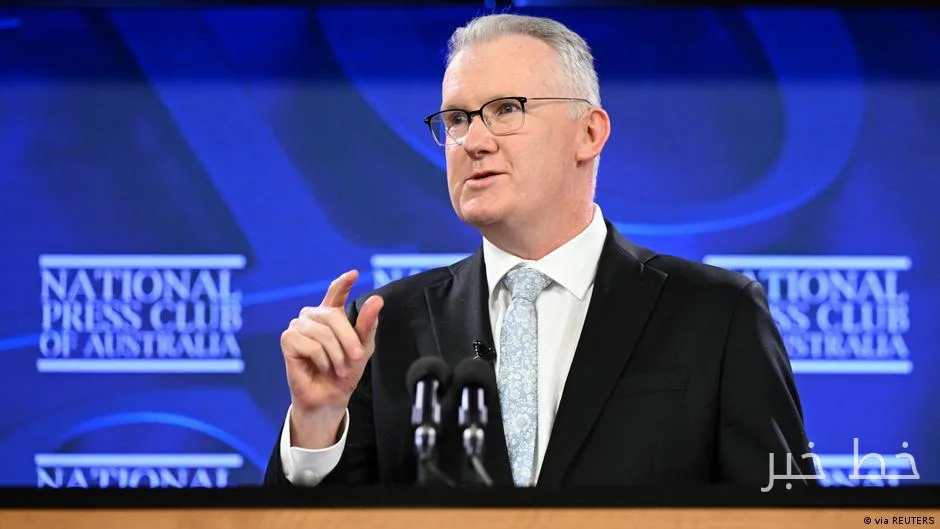
Australia is tightening visa regulations for international students, tourists, and individuals coming to the country as holiday workers with the goal of reducing immigration. Tony Burke, the Australian Minister for Home Affairs, raised this issue on Thursday at a conference at the National Congress in Canberra.
Addressing Temporary Visas
Minister Burke announced that the government is also addressing a phenomenon known as "visa switching," where foreign migrants currently in Australia switch from one type of temporary visa to another to extend their stay. He stated, "If you want to come to Australia temporarily, apply for a temporary visa. If you want to stay permanently in Australia, apply for a permanent visa. And if you do not have a valid visa, you must leave Australia."
Read more: The Federal Reserve raised interest rates and announced the possibility of further increases
Pressure on the Housing Market
Burke acknowledged that immigration remains "fundamentally a strength" for Australia, but admitted that regulations need to be adjusted to reduce pressure on the housing market. He said, "We need immigration to soften enough for the housing market to have a chance to recover." He also clarified that the housing shortage is not caused by migrants.
The Australian Minister for Home Affairs noted that the claim that the center-left Labor Party is strengthening visa regulations in response to the rising popularity of the far-right party "One Nation" is "simply incorrect." This far-right party has become one of the most popular parties in the country this year, campaigning on promises to reduce immigration.
According to these changes, net annual immigration will decrease from the current 300,000 to about 225,000 by 2028. This level will return to what it was before the COVID-19 pandemic. In 2022, immigration reached its highest level with 538,000 people after borders reopened.
Currently, foreign students make up the largest group of migrants, with about 753,000 international students living in Australia, most of whom come from China and India. The new reforms will allow Australia to revert to policies from a decade ago when individuals with expired visas had two weeks to leave the country or face detention and deportation.
Individuals seeking to extend their working holiday visas in rural areas will need to enter a lottery for a second or third year. Additionally, applicants with skills in construction and housing will be prioritized for visa grants. The "no further stay" condition will also apply to family visitors of visa holders.
Read more: The Federal Reserve reviews interest rates in response to rising inflation · Robby Flores appointed as policy director at the Hispanic Congress