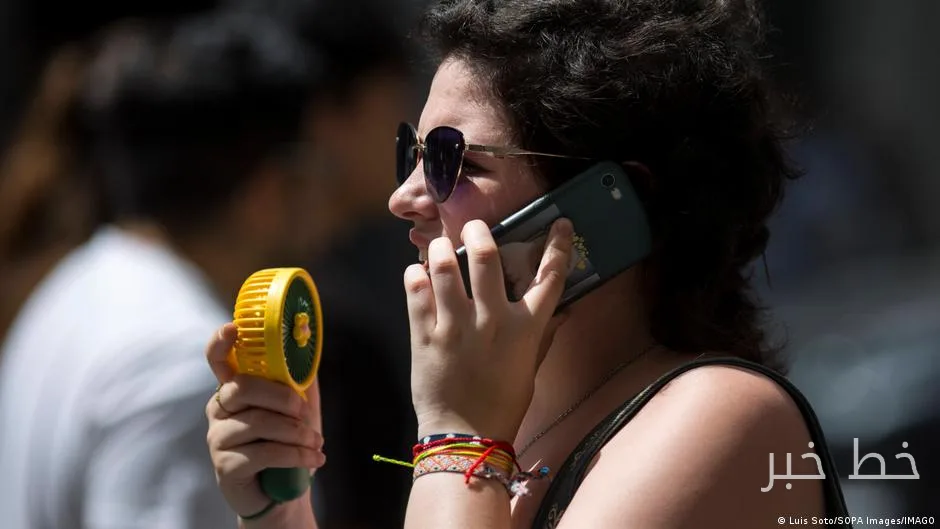
Electronic waste management in Europe has become a major challenge. According to a report from the Brussels-based Electronic Waste Association, 44% of Europeans own at least six fast technology devices, such as smartwatches and cheap chargers. Meanwhile, more than half of them report keeping or discarding these devices instead of recycling them.
The State of Electronic Waste in Europe
More than 39% of buyers admit to having discarded a fast technology device unused or only within the first month after purchase. Additionally, nearly 60% of users have mentioned that they have not used their products for more than six months. However, the majority of them are satisfied with the performance of these devices, even though their lifespan is short.
Read more: Smoke Crisis in Southeast Asia Due to Forest Fires in Indonesia
This situation indicates that consumers have somewhat accepted low quality as the "fast technology deal," similar to what is observed in fast fashion. Globally, about 62 million tons of electronic waste is produced annually, which is expected to reach 82 million tons by 2030.
The Necessity of Recycling and Existing Challenges
In Europe, about 40% of electronic waste is recycled, while this figure is only 17% globally. This means a loss of valuable materials and environmental pollution due to electronic waste. In 2022, one million tons of critical raw materials were found among the 10.7 million tons of electronic waste generated in Europe.
These materials, such as manganese, gold, copper, and aluminum, are at the heart of geopolitical tensions. Therefore, groups like the WEEE Forum emphasize the need to raise awareness about how to dispose of cheap electronic devices and suggest that recycling should be made as easy as possible.
According to Magdalena Chariatanovich, Communications Director of the WEEE Forum, better design and repair of devices can reduce environmental impacts. She also pointed to the necessity of creating clear and coordinated regulations in the European Union to improve electronic waste collection.
In the field of digital healthcare, devices such as diabetes sensors and blood pressure monitors, which are typically designed to be disposable, are also contributing to electronic waste. Estimates suggest that sales of wearable healthcare devices could reach 2 billion units per year by 2050, leading to one million tons of electronic waste.
The challenges in recycling these devices are complicated by the potential contamination of patients and the need to sterilize the devices. The Digital Health in Circular Economy (DiCE) project has been established with the aim of redesigning digital healthcare devices to recycle critical materials and reduce environmental impacts.
Chariatanovich also referred to evidence of people's willingness to return non-functional devices. Experiments in Belgium, Spain, and Slovenia showed that more than 60% of individuals are willing to return their unwanted devices if the process is easy.
Read more: The Atlantic Hurricane Season 2026 Begins on June 1 · Pope Leo XIV Goes to Rome Hospital for Lung Surgery