The Nor'easter is strengthening along the eastern coast of the United States and is expected to bring heavy rainfall, flooding, and strong winds to millions. Experts report that this storm could stall near the shores between New Jersey and Long Island, leading to persistent rainfall and coastal flooding in these areas.
Consequences of the Nor'easter
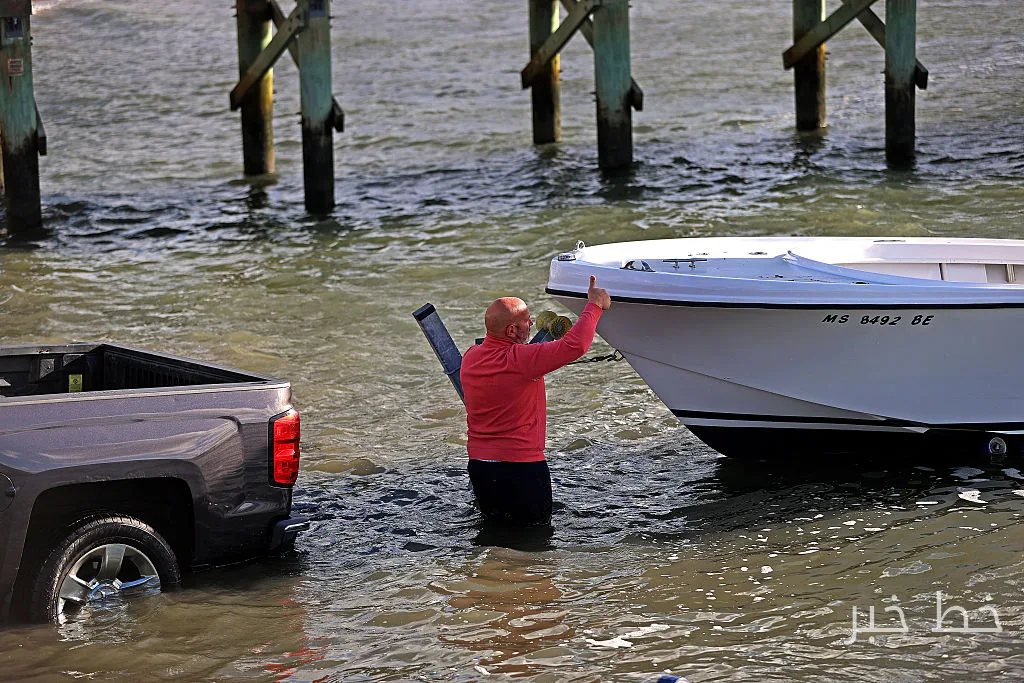
Coastal flooding is already affecting parts of Virginia and North Carolina, with wind gusts of up to 50 miles per hour predicted in some areas. Rainfall is expected to begin Friday evening and may continue throughout the weekend. Greg Stenton, a climate science professor at the University of Pennsylvania, states, "This Nor'easter, due to its slow movement, can create a significant storm surge."
Read more: Katy Castanzo talks about changing fall habits to help pollinators
The Impact of Climate Change on Storms
Nor'easters are typically named for the northeast winds that blow, and they usually affect the eastern coasts of the United States and Canada. These storms can occur at any time of year, but are more common between September and April. Stenton says, "Nor'easters, like hurricane storms, derive part of their energy from ocean heat. However, unlike hurricane storms, Nor'easters tend to have cold cores and may linger in one area longer than hurricane storms."
These storms have caused billions of dollars in damages in the United States, with memorable Nor'easter storms including the New England snowstorm in February 1978 and the extraordinary storm in March 1993. Researchers still do not fully understand how Nor'easters are changing due to climate change. Matthew Barlow, a climate science professor at the University of Massachusetts Lowell, says, "We can speak with confidence about changes in Nor'easters, as well as in other areas that we are still trying to understand."
One clear point is that severe Nor'easters are becoming more intense, bringing heavier rainfall and stronger winds. This can lead to increased storm surges, coastal flooding, and wind damage. Stenton emphasizes, "Human-induced warming is leading to increased precipitation in these storms, and this is increasingly associated with extreme weather."
Barlow adds, "Not every storm is becoming more intense, but severe storms are becoming more intense, whether it's a thunderstorm, hurricane, or one of these Nor'easters."
In a world that is continuously warming, storms will only continue to increase in intensity. Climate change is increasing the number of "billion-dollar disasters" in the United States, disasters that cause at least one billion dollars in damages and occur each year in the United States. The average time between these disasters has decreased from 82 days in the 1980s to 16 days in the past decade. By 2025, the United States was expected to experience a billion-dollar weather or climate disaster every 10 days.
Barlow states, "As long as we continue to increase greenhouse gas levels in the atmosphere, the intensity of precipitation and the severity of these storms will also increase. As long as we worsen the situation, it will continue to get worse."
Read more: The confidence of two generations of Americans has been affected by fear of climate change · The Prime Minister of Nepal warns about the consequences of climate change