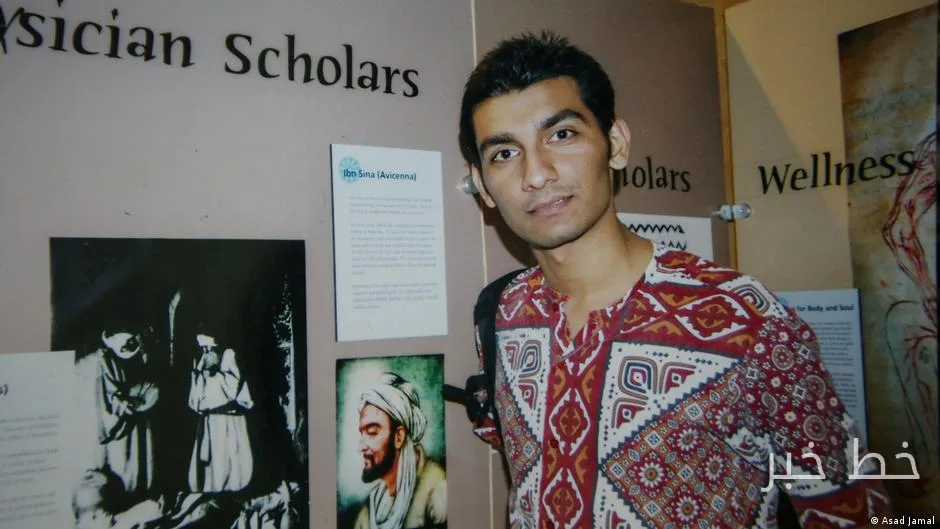
Junaid Hafeez, a former university professor and Fulbright researcher, was imprisoned 13 years ago for allegedly making statements on Facebook that violated Pakistan's strict blasphemy laws. After years of trial, he was sentenced to death in 2019.
The Hafeez Family's Hope
Last week, the Lahore High Court heard the appeal in Hafeez's case, raising new hopes for the overturning of his conviction. Junaid Hafeez's father, Hafeez-ul-Nazir, said during a visit with his son through glass last week, "I want my son to be free and come home. We are in a very difficult battle." He added, "This case has taken everything from us."
Read more: Russia's Shadow Attacks Harm European Businesses
Hafeez's Lawyer and His Situation in Prison
Saeed Al-Mulk, Hafeez's lawyer, stated that the researcher has read thousands of books during his years in prison and, despite being in good health, is dissatisfied with the prison conditions. Al-Mulk expressed hope that this time under the supervision of this judicial panel, Hafeez would be released.
Before his arrest, Hafeez studied as a Fulbright researcher in the United States and then returned to Pakistan to teach English literature at Bahauddin Zakariya University in Multan. He began working there as a graduate student in 2011 and soon became a target of an Islamic student group that opposed his "liberal" teaching.
Hafeez was arrested on March 13, 2013, for using a fake Facebook profile to insult the Prophet of Islam in a closed group called "Self-Proclaimed Liberals of Pakistan." His father believes he was trapped by academic Islamists.
His trial began in 2014 and, due to security concerns, the legal proceedings were moved to Multan Central Jail. These proceedings were repeatedly delayed until he was sentenced to death in the first court. Hafeez appealed this sentence in 2020, and his case has yet to be resolved.
The Lahore High Court addressed Hafeez's appeal on September 22 and instructed the prosecution and complainants to present evidence related to electronic evidence. This evidence includes Facebook posts attributed to Hafeez.
Human rights officials and analysts believe that judgments in blasphemy cases are under severe pressure, and any decision could have serious consequences. Hafeez could still be released if the Lahore High Court overturns his conviction, but this depends on the judges' assessment of the evidence and arguments during the appeal.
Read more: Monitoring of Election Accounts Has Begun Ahead of the 2027 Elections · Israel's Central Election Committee Banned Arab Parties from Elections