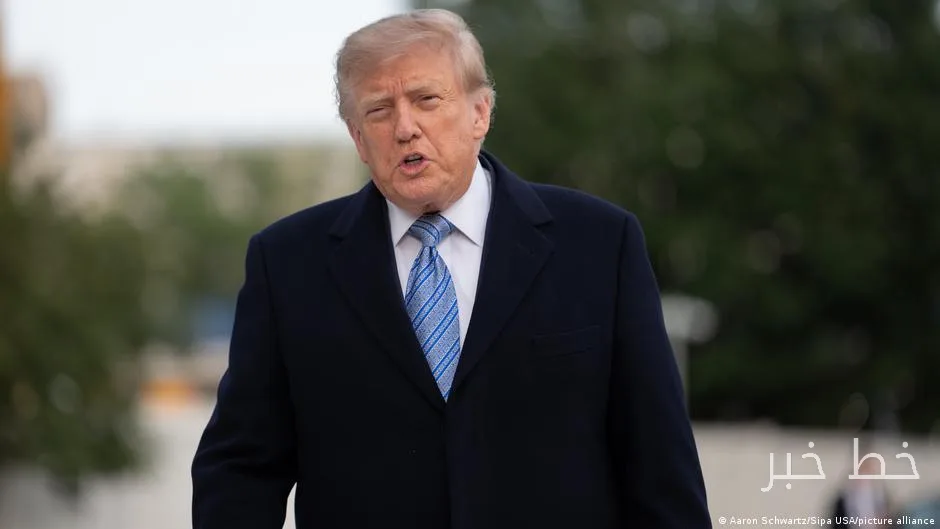
The United States government led by Donald Trump has responded negatively to Iran's proposal to reopen the Strait of Hormuz and end hostilities. Trump said at a press conference at the White House: "I reject this proposal ... I have rejected this agreement."
Iran's Proposal and Trump's Reaction
Iran presented a plan to reopen this strategic waterway during the United Nations General Assembly in New York, claiming that this action could lead to the end of conflicts within seven days. Tehran stated that this proposal was conveyed to Washington through Qatari intermediaries.
Read more: The U.S. and China agreed on tariff reductions and discussions about artificial intelligence
Trump further added: "They want to make a deal to quickly reopen the Strait of Hormuz because they are failing badly" and claimed: "We are winning significantly."
Analysis of the Situation and Iran's Conditions
An American official told Reuters that negotiations with Iran through intermediaries have been "positive and constructive." However, The Wall Street Journal reported that Trump is skeptical about Iran fulfilling its demands. He has told his staff that new airstrikes are likely to begin after the midterm elections in November.
Trump added: "They want to make a deal, and I think that’s good, but that deal will not be acceptable."
Hours before these statements, the President of the United States shared an image of the Strait of Hormuz on social media, referring to it as "Trump Strait."
Meanwhile, Masoud Pezeshkian, the President of Iran, who was returning to Tehran from the United Nations General Assembly, told CBS News that this proposal was developed "in coordination" with the Supreme Leader, Mojtaba Khamenei. He added that this process should begin "from the day they accept it."
Abbas Araghchi, Iran's Foreign Minister, who met with Trump's representative, Steve Witkoff, earlier in the week, stated that this plan anticipates the cessation of all hostilities in the Middle East and that the Strait of Hormuz should be reopened on the seventh day of the ceasefire. He also referred to similar conditions mentioned in the memorandum of understanding signed with the United States earlier this year, which includes the release of Iran's frozen assets, the lifting of sanctions on Iranian oil, and the end of the U.S. naval blockade.
Read more: Germany's economy is growing after difficult years · Norm Eisen urged Americans to remain calm after the Supreme Court's decision regarding the voting database