The recent devastating floods in Nepal have sounded a serious alarm for mountain cities globally. These floods, caused by the rapid melting of ice and snow due to climate change, can pose serious threats to the lives and infrastructure of mountain communities.
Impact of Climate Change
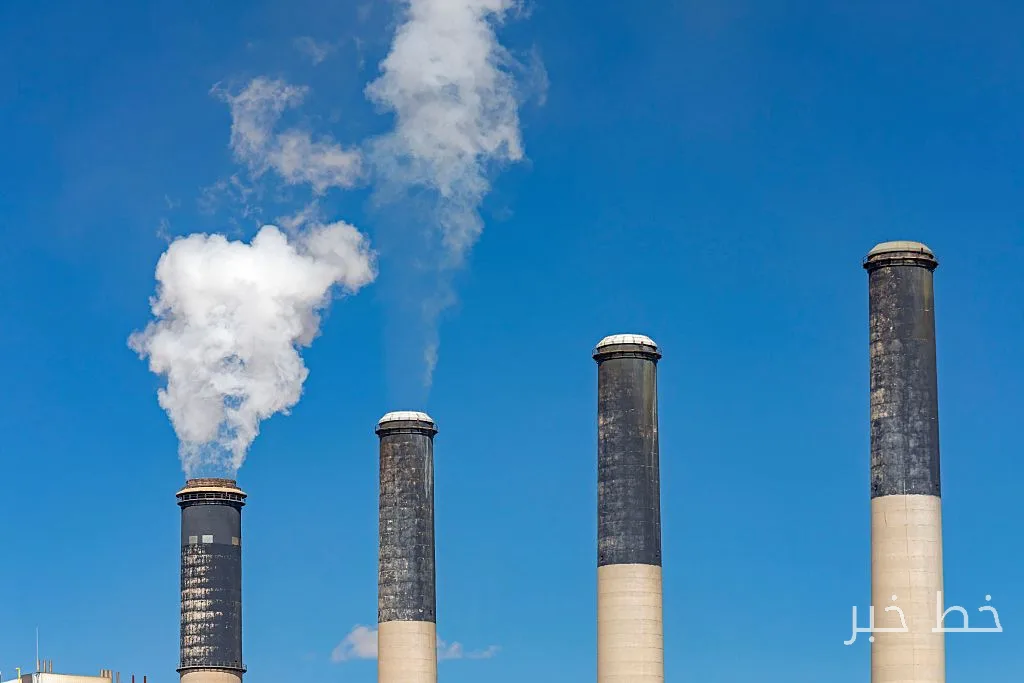
Climate change has led to rising temperatures across the planet, which in turn affects glaciers and snowfields. As the planet warms rapidly, ice and snow at higher altitudes melt quickly, which can lead to severe flooding and flash floods. These phenomena can have devastating consequences, especially in mountainous areas with weak infrastructure.
Read more: Bill McKibben and Catherine McKenna Call for Solar Energy for All by 2030
Social and Economic Consequences
The floods and the destruction they cause not only lead to financial losses but also harm people's lives. Agriculture, which is one of the main sources of income for many residents of Nepal, is severely affected. With the loss of arable land and water resources, food security is put at serious risk.
Moreover, with the increasing number of migrants following these disasters, greater pressure is placed on large cities. This issue can lead to social and economic problems in these areas and present governments with new challenges.
Ultimately, the recent floods in Nepal remind us that climate change is not just a local problem but a global challenge. Given that many mountain cities around the world face similar risks, the need for immediate and collective action to address these threats is more urgent than ever.
Read more: Swiss Alps Glaciers Lost More Than 5 Percent of Their Ice Volume in 2026 · Estimate of 451,000 Additional Deaths Due to El Niño by Early 2027